
Let's talk about what hormones actually do to sensation
Hormones don't just control your cycle. They control blood flow to your clitoris, tissue thickness, nerve sensitivity, and how fast your body can build arousal. When your hormones shift.whether from stopping birth control, entering perimenopause, postpartum recovery, or medical treatment.sensation doesn't disappear. It goes dormant. It feels distant. Like you're touching yourself through a thick wall.
This is wildly common and completely fixable. But most people assume it means their body is broken, when what's actually happening is that your nervous system needs a different kind of stimulus to wake up. That's where lemon clitoral vibrators come in.
Why vibration works when sensation feels numb
Here's the thing about vibration: it bypasses the numbness by speaking directly to nerve endings. Your clitoris has around 8,000 nerve endings concentrated in an incredibly small space. When hormones shift, blood flow to that area decreases, which makes gentle touch feel like nothing. Vibration creates a different signal.one your nervous system registers even when everything else feels muted.
The reason lemon vibrators specifically work so well during recovery is pattern and intensity control. A manual toy requires you to apply pressure, which can feel overstimulating or uncomfortable on tissue that's already sensitive from hormonal changes. Suction-based clitoral vibrators like the Lem create steady pressure without direct friction, which means you get consistent stimulation without the rawness.
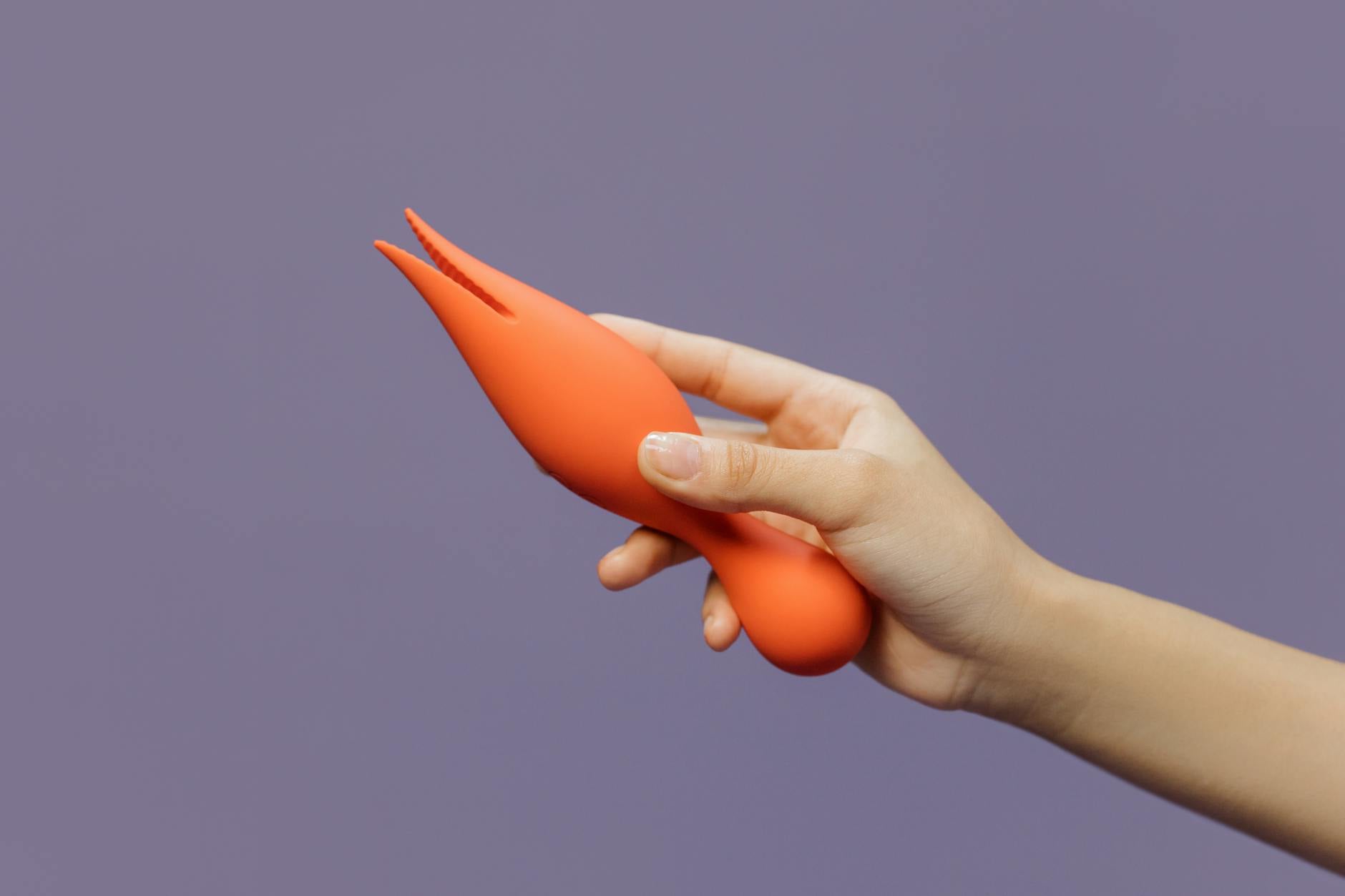
Photo by cottonbro studio on Pexels
The neuroscience behind reconnecting to pleasure
Your brain's arousal pathways don't disappear when hormones shift. What changes is the signal-to-noise ratio. A vibrator increases signal strength, which means your brain registers arousal even when the background noise of hormonal fog is high.
This matters because pleasure is partly learned. When sensation goes quiet for months or years, your brain's pleasure centers get less input. You start to believe you've lost the capacity for it. Vibration retrains those pathways. It's not overriding your body.it's giving your nervous system the input it needs to remember what arousal feels like.
Most people I work with report that after consistent use of a lemon clitoral vibrator during hormonal transition, manual sensation eventually returns. The tool isn't a crutch you're stuck with forever.it's a bridge back to your own touch.
What settings actually matter when you're recovering
Not all vibrators are built for hormonal recovery. Here's what to look for:
Pattern over raw power. You don't need the strongest vibrator on the market. You need one that offers different rhythms. Low, steady patterns (think a slow pulse) are more effective than constant high intensity when you're rebuilding sensation. You can always increase intensity as you recover. Starting too strong numbs you further.
Suction over direct vibration. During hormonal transitions, direct vibration on the clitoris can feel sharp or even painful. Suction-based tools like lemon sexual toys create gentler pressure that builds gradually. The sensation is more like a massage than a buzz.
Silence over noise. A loud vibrator creates psychological pressure to "perform" and finish. A quiet one lets you focus on what you're actually feeling. Your nervous system recovers better in calm.
USB charging over batteries. During recovery, you'll be using this regularly.potentially daily. A tool you don't have to hunt for batteries for gets used consistently. Consistency is what rewires your pleasure pathways.
How to actually use a clitoral vibrator during hormonal recovery
Timing matters. The best time to explore is when you're already a bit turned on.after reading something that interests you, after a long bath, after some time alone thinking about something that appeals to you. You're not trying to force arousal from zero. You're trying to amplify what's already there, even if it's faint.
Start with pattern 1 or 2. Let the vibrator sit against your clitoris for at least 30 seconds before moving or changing the pattern. Your nervous system needs time to register the input. Most people (myself included, back when I was recovering from an IUD insertion that tanked my sensation) assume they need to "do something" with the tool. Actually, the opposite is true. Stillness lets you feel more.
Session length doesn't matter. If you orgasm in three minutes, that's a data point about where your sensitivity is.not a failure. If it takes 45 minutes, that's fine too. The goal isn't the outcome.it's retraining your nervous system to recognize pleasure as possible. That happens over time, across multiple sessions, not in a single "perfect" use.

Photo by DRT.fm . on Pexels
When hormonal recovery stalls
Sometimes you use a vibrator consistently for weeks and sensation still feels flat. This usually means one of three things:
First, your hormonal shift is severe enough that you need medical support. If you've recently stopped hormonal birth control and sensation hasn't returned in 8-12 weeks, or if you're in perimenopause and the numbness is affecting your quality of life, talk to a doctor. Topical estrogen or other targeted treatments can help your body recover faster than sensation alone will.
Second, you might be using intensity that's too high. This sounds counterintuitive, but overstimulation can feel like numbness. If you've been using pattern 5-6 for months without improvement, dial it back to pattern 1-2 for a week. Let your nervous system reset. Often, sensation returns faster at lower intensity.
Third, the numbness might not be purely hormonal. Stress, depression, relationship tension, or medication side effects can all flatten sensation, especially when combined with hormonal changes. If a clitoral vibrator isn't working, or if sensation is improving but slowly, consider talking to a therapist or counselor about the emotional landscape underneath.
The timeline for recovery varies wildly
Some people regain full sensation in 4-6 weeks of regular vibrator use. Others take months. Age, overall health, baseline sensitivity, what caused the hormonal shift, and whether you're actively addressing the hormonal change itself all matter.
The pattern I see most often in my practice is this: first two weeks, sensation creeps back in slowly. Weeks three and four, you start to feel actual pleasure again, not just stimulation. By week six or eight, manual touch starts to feel good again. By three months, most people are back to baseline or better.
But here's what matters more than timeline: progress isn't linear. You'll have days where sensation feels fantastic and days where it feels flat again. That's normal, especially if you're navigating other stressors. The goal isn't consistent perfection.it's consistent practice and a willingness to be patient with your body while it rebalances.
The role of patience in pleasure recovery
I work with a lot of people who try a vibrator once, feel disappointed, and assume it didn't work. Pleasure recovery isn't a one-time event. It's more like physical therapy for your nervous system. You wouldn't do one session of PT and expect your knee to be fixed. Same logic applies here.
Most importantly, reconnecting with sensation after hormonal changes often means rebuilding intimacy with yourself first. That process takes time and self-compassion. A tool like a lemon clitoral vibrator is a facilitator, not a magic fix. What makes the difference is showing up consistently, with curiosity instead of pressure.
When you're ready to choose a tool, consider starting with something gentle and pattern-rich. If you're new to vibrators entirely, here's a guide to choosing your first one. And if sensation is linked to deeper emotional disconnection or relationship tension, rebuilding physical intimacy takes a different kind of intentionality.
Your body isn't broken. It's just waiting for you to speak its language again.
FAQ: Hormonal Changes and Clitoral Vibrators
How long after hormonal change does sensation usually return?
It depends on what caused the change and your individual body. If you've stopped birth control, sensation often improves within 4-12 weeks as your natural hormone levels restabilize. If you're entering perimenopause, it can take longer because hormonal fluctuation continues. Using a clitoral vibrator consistently can accelerate recovery by 2-4 weeks compared to not using one. The key is regular use (3-4 times weekly minimum) rather than occasional exploration.
Can vibrators make numbness worse?
Only if you start with intensity that's too high or use the tool in a way that creates pressure or expectation. Using a vibrator at pattern 5-6 when your nervous system needs pattern 1-2 can create overstimulation that feels like numbness. If you notice sensation getting worse instead of better after a week of use, lower the intensity and slow down. Also check whether you're using a tool designed for recovery (like suction-based lemon clitoral vibrators) versus high-power bullet vibrators meant for people with already-active sensation.
Should I use a vibrator alone or with a partner during recovery?
Start alone. Your nervous system recovers faster when there's no performance pressure and no need to communicate or coordinate. Once sensation starts returning and you feel confident again, partner exploration can be really valuable. But the rebuilding phase works better in privacy, at your own pace, without anyone else's timeline or expectations in the room.
Does the type of lemon vibrator matter for hormonal recovery?
Yes, significantly. Suction-based tools like the Lem work better than traditional bullet vibrators for hormonal recovery because they create gentler, more diffuse pressure. They're also quieter, which helps with the psychological component. Pattern variety matters more than raw power. A tool with 5-8 distinct patterns lets you experiment and find what your nervous system responds to. Avoid super high-powered vibrators during recovery.they often feel overwhelming when sensation is fragile.
Can hormonal birth control affect vibrator sensation after I start using one?
If you're on hormonal birth control while using a vibrator for recovery, sensation might improve temporarily but plateau once your hormones fully stabilize. This is actually useful information.it tells you whether your numbness was primarily hormonal or whether something else is contributing. If sensation improved with the vibrator but then flatlined, talk to your provider about whether birth control adjustment might help. Don't just assume the vibrator stopped working.
Is it normal to not feel much the first few times I use a clitoral vibrator?
Completely normal. Your nervous system needs multiple exposures to register what vibration feels like, especially when sensation is already muted. Most people need 3-5 sessions before they feel anything significant. Keep the intensity low, the pattern steady, and your expectations flexible. You're not looking for an orgasm on day one.you're introducing a new sensation to a nervous system that's in recovery mode. That takes repetition.