The nervous system sabotage nobody talks about
You like this person. You're attracted. You want this to happen. And yet. Nothing. Your body feels like someone turned down the volume on every sensation by 60 percent, and you can't figure out why.
Relationship dynamics
New relationship anxiety kills arousal faster than anything else. Here's what's actually happening in your nervous system, why lemon clitoral vibrators help, and how to reclaim sensation without forcing it.
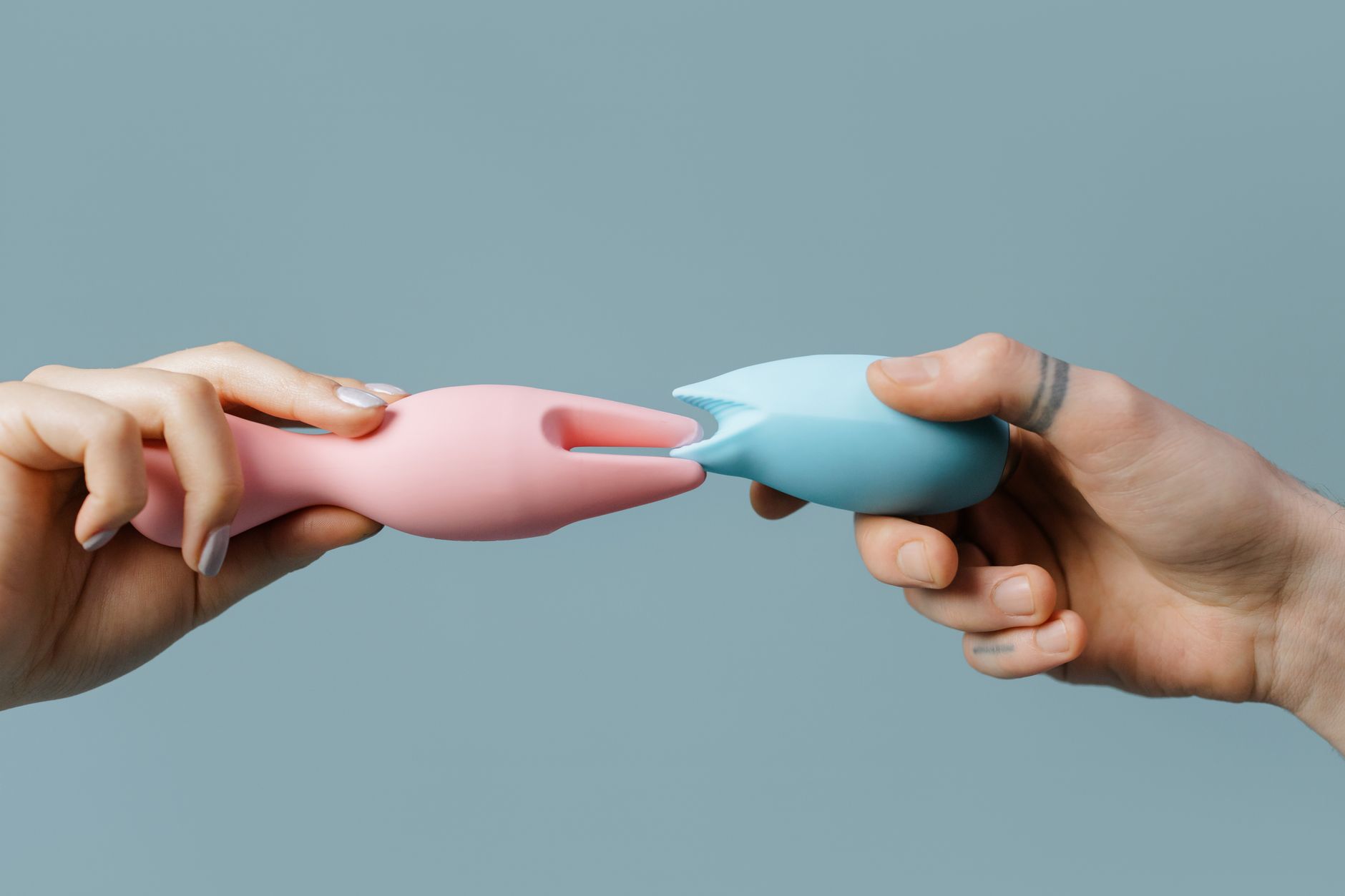
You like this person. You're attracted. You want this to happen. And yet. Nothing. Your body feels like someone turned down the volume on every sensation by 60 percent, and you can't figure out why.
This isn't broken. This is your parasympathetic nervous system hitting the brakes hard.
When you're with someone new, your body is running a threat-assessment protocol that's leftover from 40,000 years ago. New partner equals unknown variables. Unknown variables equal risk. So your nervous system diverts blood flow away from pleasure zones and toward your major muscle groups, just in case you need to fight or flee. Your clitoris gets less blood. Your vaginal tissues get less arousal. Your brain gets flooded with cortisol and adrenaline instead of dopamine and oxytocin. The result is numbness, difficulty with arousal, and sometimes the inability to orgasm even though the physical setup is perfect.
The frustration makes sense. What doesn't help is pretending this is about the person or about you being "broken." It's about signal-to-noise. Your pleasure signal is there. The noise of anticipatory anxiety is just louder.
Here's what I see clinically: people assume the solution to first-time numbness is more friction, more intensity, more direct stimulation. That almost always backfires.
When you're anxious, your nervous system is already in a defensive crouch. Adding aggressive sensation reads as MORE threat, not less. Your body tightens further. Sensation gets worse. Now you're frustrated, your partner feels rejected, and the whole thing spirals into performance anxiety.
Lemon clitoral vibrators work differently because they deliver stimulation via suction and pulsation rather than pure vibration. That distinction is crucial when you're nervous. Suction recruits different nerve pathways than friction. It's also inherently gentler and more diffuse. You can feel the sensation without it triggering the "too much, defend yourself" response that traditional vibrators sometimes do.
It's not about the toy being "better." It's about the toy matching where your nervous system actually is right now.
Three things happen simultaneously when you're with a new partner.
First, arousal takes longer. Not because you're not interested. Because your prefrontal cortex, the part of your brain that handles novelty and threat assessment, is working overtime. It's literally competing with your limbic system for resources. Budget 20 to 30 minutes of low-pressure touch before you expect anything to happen.
Second, your pelvic floor stays partially tense. When you're nervous, the muscles in and around your pelvis contract as part of the freeze response. This prevents the full engorgement needed for strong sensation. Most people try to fight through this by tensing harder, which makes it worse. The solution is learning to notice the tension and actively relax it, which is weirdly hard to do on demand when a new person is touching you.
Third, your clitoris might feel almost numb to direct touch. This isn't desensitization. It's protective sensation dampening. Your nervous system genuinely reduces signal intensity to protect you from overstimulation while you're in a state of vigilance. This is why gentle suction vibrators work better than aggressive ones. They bypass the defensive numbness by engaging the tissue differently.
Let me be specific about lemon clitoral vibrators and what they do differently.
Traditional vibrators use high-frequency oscillation to create pleasure. They work beautifully if your nervous system is relaxed. But if you're new-partner anxious, that high frequency reads to your body as a different kind of "alert." Your clitoris can actually get more defensive, not less.
Lemon sucker vibrators use a pulsing suction pattern that mimics the exact pressure and rhythm patterns that your clitoris responds to naturally. The suction creates a seal around the tissue, which means the stimulation is more diffuse and less point-specific. For an anxious nervous system, that diffusion is everything. You're not forcing sensation. You're inviting it through a pathway that doesn't feel threatening.
The pulsation also allows for rhythm variation and intensity control that regular vibrators don't offer. You can start at pattern 1 or 2, stay there for several minutes, and let your nervous system gradually come out of defensive mode. There's no pressure to "perform" or escalate. Just gentle, consistent encouragement.
If you're new to lemon vibrators, start with lower intensity patterns and spend 10 to 15 minutes on each one before moving up. This is not boring. This is pacing. Your nervous system needs time to register that it's safe.
Here's what I tell couples when the person with the clitoris is experiencing numbness during first-time sex.
Your partner's job is not to "fix" the numbness or try harder. Their job is to communicate, stay present, and remove pressure. That means.
Not asking "Do you feel it?" every 30 seconds. The question itself reinforces anxiety.
Not treating sensation changes as rejection. This has nothing to do with attraction.
Not escalating intensity to compensate. Slower and gentler actually works better.
Not making it about themselves. "I'm not doing this right" creates more pressure.
What actually helps: telling your partner that you'd like to use a lemon vibrator, explaining that you want to take time, and asking them to just be present with you while you figure out what feels good. You're not saying "I need this instead of you." You're saying "I need this WITH you, at a pace that works for my nervous system right now."
Most good partners are relieved to have a concrete tool and a framework. It removes the guessing game.
If you're new-partner nervous, here's what the timeline should look like.
Minutes 1 to 10: Non-genital touch. Hands, kissing, massage. Nowhere near the clitoris. The goal is for your parasympathetic nervous system to register "this person is safe" and start the shift from sympathetic arousal into relaxation.
Minutes 10 to 20: Vulva touch without vibration. Your partner's hands, direct contact, gradual pressure. This is teaching your nervous system that you're safe enough for touch there. Don't try to orgasm. Just be present.
Minutes 20 to 35: Introduction to the lemon vibrator. Start with your partner holding it, low intensity, slow patterns. The novelty of the sensation actually helps break the anxiety loop. Your brain is now focused on "what is this?" rather than "am I doing this right?"
Minutes 35 and beyond: Whatever feels good. You might orgasm now. You might not. Either way, you've broken the pattern of numbness-plus-pressure that kills sensation.
This timeline sounds long. It is. And it works because it's working with your nervous system instead of against it.
If sensation numbness happens in every single new relationship or even with partners you've been with for years, it might not be first-time anxiety. It could be.
Trauma or a history of pressure in sexual situations, which creates a chronic nervous-system response to new partners.
Medication side effects, especially SSRIs, which genuinely reduce genital sensation.
Hormonal shifts from birth control or other sources, which reduce clitoral blood flow.
Underlying anxiety or depression that dampens sensation across the board.
A combination of these things layered on top of first-time nervousness.
If lemon vibrators help but don't fully solve the numbness after three or four uses, or if the numbness persists with partners over time, that's when talking to a therapist trained in trauma-informed sex coaching or a gynecologist makes sense. Sensation numbness that doesn't respond to a change in pacing or tool is usually pointing to something worth understanding.
Yes, but not because they're magic. They help because they match your nervous system where it actually is when you're new-partner anxious. The suction-based stimulation is gentler and more diffuse than traditional vibrators, which means your body is less likely to interpret it as a threat. The pulsation patterns also allow for very slow, gentle escalation. That pacing is what helps. A high-intensity vibrator would do the opposite.
If it's pure first-time anxiety, you might feel a difference within one session. Sensation often returns pretty quickly once your nervous system registers that it's safe. If numbness persists across multiple encounters or with multiple partners, or if it's layered with other factors like medication or past trauma, it can take several sessions and might benefit from professional support.
Yes. Not as a request for permission, but as information. Something like: "My nervous system sometimes takes a minute to wake up with someone new. I'd like to use a vibrator during sex, and I'd love for you to be part of that." Most partners appreciate the honesty and the fact that you've thought about how to make the experience better for both of you.
That's actually important information. A partner who feels threatened by a tool designed to help your pleasure is showing you something about how they relate to your needs. You deserve a partner who wants you to feel good. If they're resistant to lemon vibrators or any tool that helps you, that's not about the vibrator. That's a relationship-level conversation worth having.
No. In fact, the opposite often happens. Using a lemon vibrator helps your nervous system learn what pleasure feels like when you're relaxed and safe. That knowledge transfers. You might find you're more responsive overall, not less, because you've taught your body that pleasure is possible in that relationship context.
Extremely normal. New-partner arousal numbness is so common that it's basically the default for people with a nervous system. You're not broken or "too sensitive" or "not attracted enough." You're just human. Your body is doing exactly what it's supposed to do. A lemon vibrator is just a helpful tool that helps you work with your nervous system instead of against it.
First-time numbness is your nervous system doing its job. The frustration is real, but the solution isn't to push through harder. It's to slow down, introduce a tool that matches where your body actually is, and give your nervous system time to register that this person and this context are safe.
Lemon clitoral vibrators work because they meet that need without adding pressure. They're gentle, they're paced, and they work with relaxation instead of against tension.
If you want to explore more about how your body responds in new relationship contexts or how to communicate about pleasure with a new partner, I'm here. Reach out at <a href="/contact">The Lemon Toys contact page</a> and we can talk through what you're experiencing.
Your pleasure matters. Your nervous system's timeline matters. Both of those things can be true at the same time.