Let's talk about the shock sensation
You bought a lemon vibrator. You're excited. You turn it on, place it exactly where it's supposed to go, and immediately pull away because it feels like someone's running an electric shock directly through your nerve endings. Your first thought: I must not be built for this. Your second thought: am I broken?
You're not broken. Your clitoris is just hypersensitive right now, and that's not actually a rare problem. It's just one nobody talks about clearly.
Why does sensation suddenly feel overwhelming
Clitoral hypersensitivity happens for several concrete reasons, and understanding which one applies to you changes everything about how you use a lemon vibrator.
First: sustained stimulation without breaks. If you've been using intense vibration regularly, your nerves can become temporarily oversensitive as a protective response. It's your body saying "pause, we need recovery time." Second: hormonal shifts. Estrogen fluctuations during your cycle, after stopping hormonal birth control, or during perimenopause make tissue thinner and more reactive. The same vibration that felt perfect last month now feels like too much. Third: anxiety or pelvic floor tension. When you're stressed or carrying tension in your pelvic floor, that area becomes guarded and hypersensitive. A vibrator that should feel good suddenly registers as sharp or uncomfortable. Fourth: friction or irritation from the device material itself. Not all vibrators are created equal, and some toys produce a buzzing pattern that, for certain bodies, creates a sensation closer to discomfort than pleasure.
Identifying which one is happening for you is the first step toward actually enjoying lemon vibrators again.
The reset protocol
If clitoral sensation has become overwhelming, you need a deliberate break and rebuild. This isn't forever. Most people report full tolerance returning in 2-4 weeks with the right approach.
Week one: no direct clitoral stimulation at all. This sounds extreme, but it works. Your nerves need to downregulate. Instead, explore sensation on other erogenous zones. Your inner thighs, your breasts, your neck, your lower abdomen. This keeps pleasure in the picture while giving your clitoris genuine rest. Week two: indirect stimulation only. Place a lemon vibrator over your underwear or through a thin fabric layer. This mutes the intensity to maybe 20 percent of direct contact. You're reintroducing the sensation without the shock. Week three: low-intensity patterns. Most lemon vibrators have multiple settings. Start at the absolute lowest pattern and lowest strength. Don't skip ahead. Week four: gradual increases. Only move to a higher setting if the current one feels genuinely comfortable for a full session.
This protocol works because it respects the fact that sensitivity is real, not psychological, and needs genuine physiological reset time.
The positioning shift that matters
Direct clitoral contact isn't the only way to use a lemon vibrator. In fact, if you're dealing with hypersensitivity, it's probably not the best way right now.
Try stimulating the clitoral hood or the area just above the clitoris itself. The sensation travels down to the nerve clusters, but it's diffused and gentler. Some people find that side-to-side motion (rather than the suction motion many lemon vibrators provide) feels less intense. You can also angle the device slightly off-center. You're not looking for maximum direct contact. You're looking for the angle and position that feels like pleasure instead of shock.

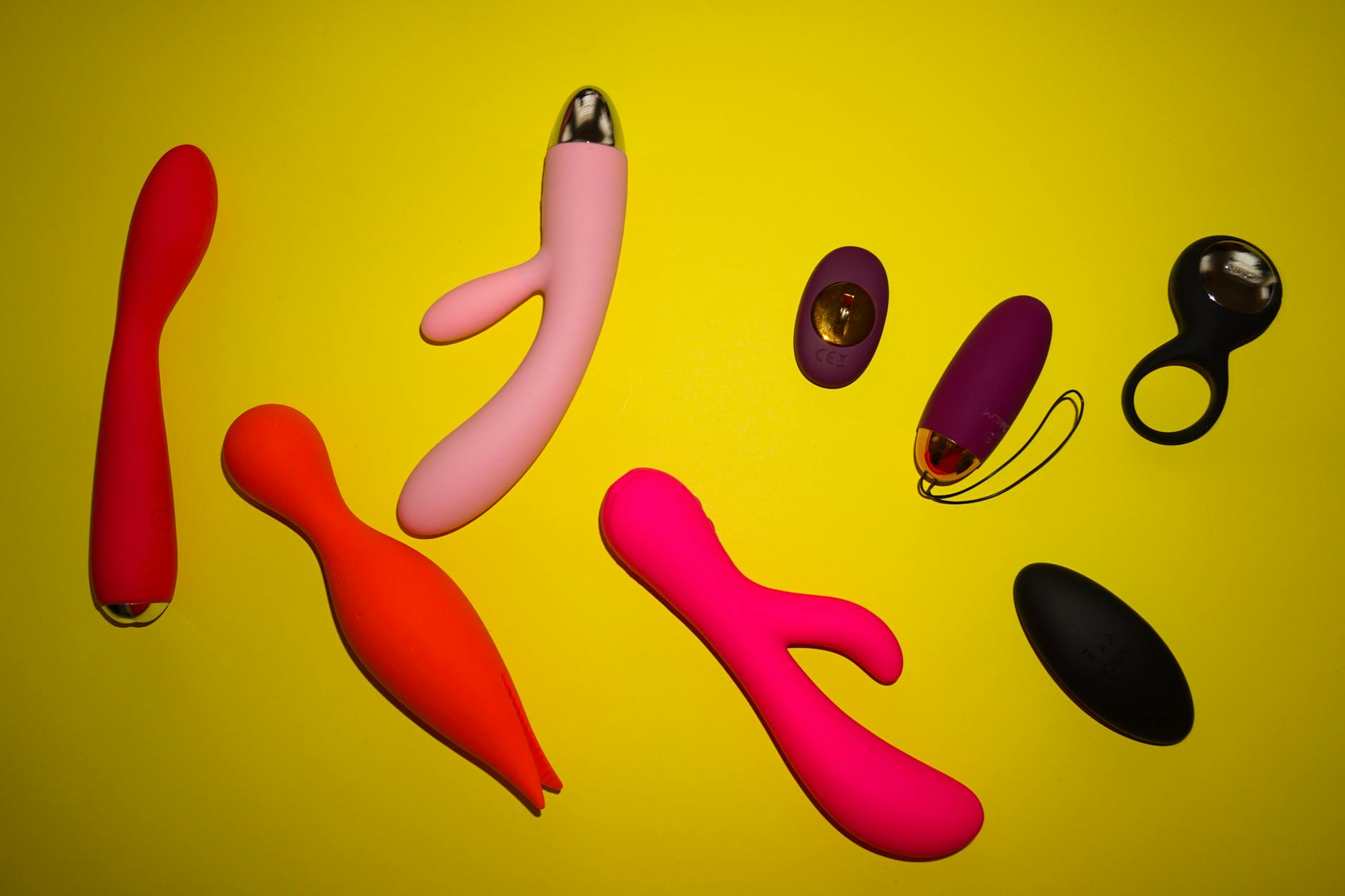
Photo by cottonbro studio on Pexels
The clitoris is bigger than most people think. It extends internally, which means you have more real estate to work with than direct contact to the visible tip. Spend time mapping what actually feels good on your body right now. What felt good three months ago might not be the answer today.
Pelvic floor tension is probably involved
Here's something that surprises most people: hypersensitivity often isn't about the vibrator at all. It's about pelvic floor tension. When you're anxious, stressed, or anticipating discomfort, your pelvic floor muscles tighten automatically. A tight pelvic floor makes everything more intense and less pleasurable because tension restricts blood flow and sensation becomes sharp instead of diffuse.
Before you use a lemon vibrator, spend five minutes on pelvic floor release. Literally: lie on your back, put your fingers inside (or don't), and practice the opposite of a Kegel. Instead of clenching, consciously relax every muscle in that area. Breathe slowly. Some people find that a brief meditation or grounding exercise before any stimulation shifts the whole experience. The device hasn't changed. Your nervous system has.
This is one of the biggest differences between using a clitoral vibrator when you're tense versus when you're genuinely relaxed. Same toy, wildly different sensation.
When to consider a different device
Sometimes the issue isn't sensitivity. Sometimes the device itself produces a pattern that your body just doesn't like. The suction-style stimulation that many lemon vibrators provide is incredible for most people. For others, it reads as overwhelming right from the start.
If you've gone through the reset protocol and you're still finding even the lowest settings too intense, it might be worth exploring a different design. Some people prefer the rolling motion of a wand vibrator. Some prefer a device with a broader surface area that distributes stimulation more evenly. Some find that external vibrators designed for couples' play feel less intense than solo toys.
The goal isn't to push through discomfort. The goal is to find a sensation that actually feels good. That might mean exploring other options within lemon vibrators' range, or it might mean trying something different entirely.
The emotional piece
Here's what I see over and over: hypersensitivity arrives alongside frustration. You spent money on a toy you were excited about. You had expectations. Now it doesn't work the way you imagined. That's real disappointment, and it's worth naming.
Sometimes the emotional reset matters as much as the physical one. You might need to separate the toy from the failure narrative you've built around it. The lemon vibrator isn't broken. Your body isn't broken. You're just in a season where your nervous system needs something different. That season ends.
FAQ
Is clitoral hypersensitivity permanent?
No. Most people report that hypersensitivity resolves within 2-4 weeks of taking a genuine break and rebuilding slowly. If sensitivity persists beyond that window, check in with a pelvic health specialist. Persistent hypersensitivity can sometimes signal pelvic floor dysfunction or other issues that benefit from professional support.
Can I use lube to make sensation less intense?
Yes, absolutely. A thicker lube creates a buffer between the device and your skin, which mutes sensation. Water-based lubes work fine with lemon vibrators. Some people find that silicone-based lubes (which are not compatible with silicone toys) feel richer and more protective if you're using a non-silicone device.
Does lowering intensity mean the vibrator won't work for me?
Not even close. Many people enjoy lower intensities far more than maximum power. Pleasure isn't about brute force. It's about the right pattern at the right moment. Using the lowest setting now doesn't mean you can't explore higher settings later once your sensitivity has recalibrated.
What if the problem is actually anxiety about using the device?
Then the physical sensation is only part of the story. Anxiety makes everything feel more intense because your nervous system is in protection mode. If you notice that you're bracing or holding your breath when you use the vibrator, that's a sign to slow down. Take breaks between sessions. Practice relaxation techniques before stimulation. Consider talking through it with a partner or a therapist who specializes in sexual wellness.
Should I stop using the vibrator while my clitoris is hypersensitive?
Not necessarily. But take it slowly. A 2-minute session on the lowest setting with indirect contact is fine. The key is respecting what your body is telling you rather than pushing through discomfort. Pleasure should feel like relief, not endurance.
Can I use a lemon vibrator during different phases of my cycle if sensation changes?
Absolutely. Many people find that clitoral sensitivity varies wildly depending on where they are in their cycle. Early in the follicular phase, intensity might feel great. By the luteal phase, you might need to dial everything down. That's normal. Your vibrator can grow with you through your cycle.
The path back to pleasure
Clitoral hypersensitivity feels like a sign that vibrators aren't for you. It's actually just a sign that your nervous system needs a gentler reintroduction. That's fixable. A reset protocol, some pelvic floor attention, and a willingness to use your toy differently will bring you back. Most people come out the other side more tuned in to their own sensations than they were before. You learn what actually feels good on your body, not what you thought should feel good. That's valuable information. Be patient with yourself while you find your way back.
If you're still struggling after a few weeks or if hypersensitivity is happening alongside pain, reach out to a pelvic health specialist. Sometimes there's more going on underneath the surface, and getting proper support makes all the difference. You deserve to enjoy the tools you've invested in. It just might take a different path than you expected.
Sources
This article draws on established research in sexual response physiology, pelvic floor dynamics, and the relationship between anxiety and sensory perception. For deeper information, consult resources from the International Pelvic Pain Society and evidence-based sexual wellness practitioners who specialize in clitoral sensation and nervous system regulation.