Here's what nobody tells you about new relationships
Your body doesn't automatically turn on with someone new. Even when you really like them, even when the chemistry feels real, your nervous system sometimes hits pause. You touch, nothing happens. They touch, you feel... almost nothing. It's not broken. It's just your body being cautious around an unfamiliar person.
This happens more often than you'd think, and it's not a reflection on attraction or connection. It's neurology.
Why sensation mutes when you're with someone new
Your nervous system has a job. It evaluates safety. With a familiar partner, your body knows the rhythms, the pressure points, the timing. Arousal flows because your brain has filed them away as "safe."
With someone new, even if you consciously trust them, your sympathetic nervous system is still doing background checks. Blood stays in your core. Your clitoris doesn't engorge the way it normally would. Sensation becomes distant, almost like you're observing yourself rather than feeling yourself.
Add in performance anxiety ("Will I orgasm? Will they think I'm weird?") and your parasympathetic nervous system, the one responsible for pleasure, takes a back seat to survival mode. This is why orgasms that arrive easily alone sometimes vanish in a new partner's bed.
How lemon clitoral vibrators bridge that gap
Here's the thing about air-suction technology like the Lemon vibrators: they bypass the waiting game. Instead of relying solely on friction or pressure to build arousal, they create consistent, intense stimulation that your nervous system recognizes as pleasure fast. That's not cheating. That's smart.
When sensation feels muted, a lemon vibrator doesn't ask your body to do the heavy lifting alone. It provides external feedback that says: "Pay attention. Something good is happening here." Your brain gets the signal. Blood flow increases. The feedback loop activates. Within minutes, instead of 20, you're actually aroused.
For a new partner, this changes everything. You're not fighting your body's cautiousness. You're working with it, giving it the clear feedback it needs to let go.

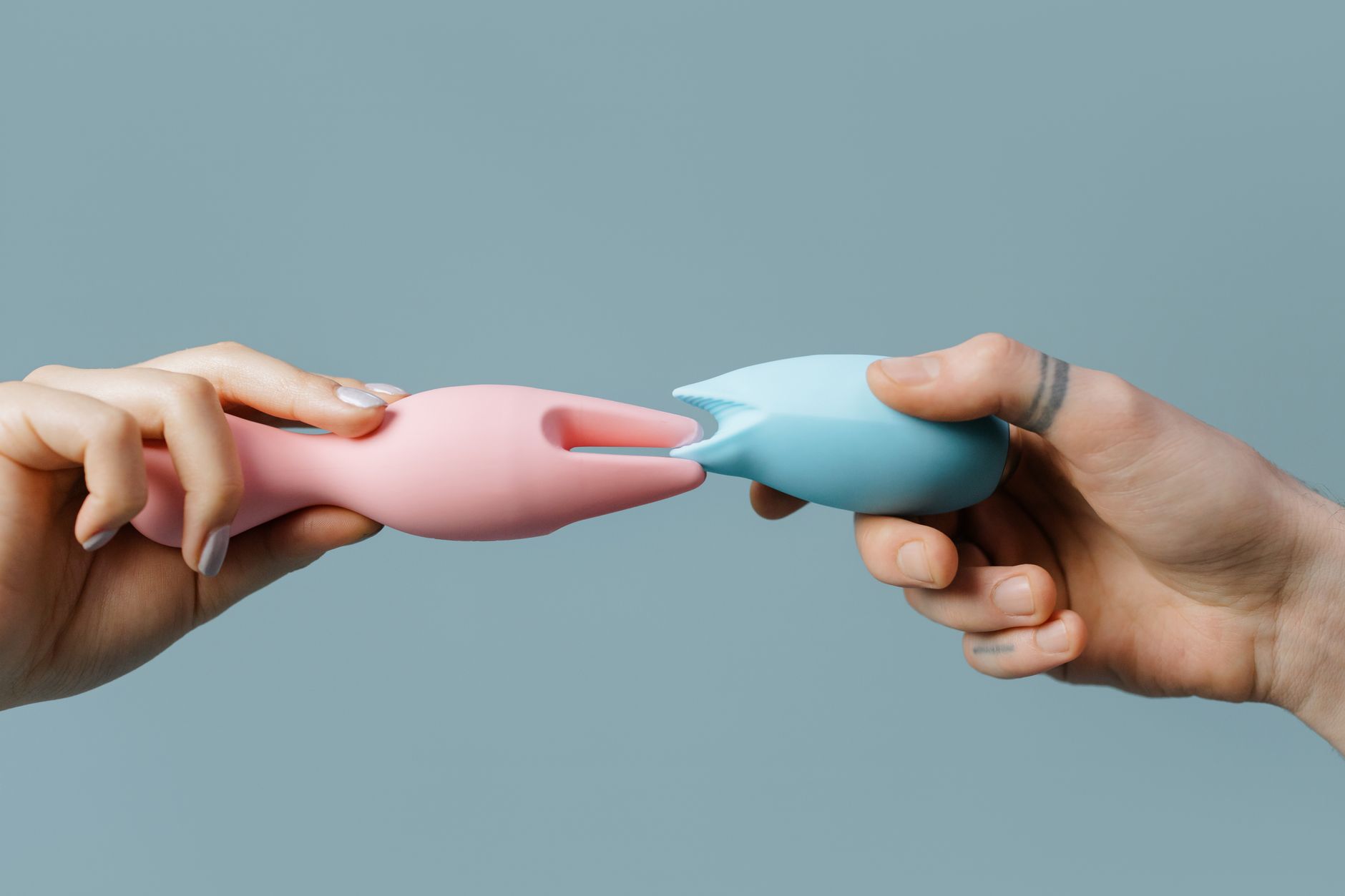
Photo by cottonbro studio on Pexels
The conversation that makes it less weird
Introducing a vibrator to a new partner can feel like you're saying, "You're not enough." You're not. And most partners know this already. But the way you frame it matters.
Instead of presenting it as a fix, present it as an invitation. "I want to show you something I enjoy. Let's try this together." That one sentence shifts the dynamic from "I need help" to "I want to share something with you."
Many new partners actually feel relieved. There's a pressure on them too: to intuit exactly how you like to be touched, when, and how fast. A lemon vibrator gives them permission to stop guessing and start experimenting together. It becomes collaborative instead of performative.
If they seem hesitant, ask why. Often it's a misconception that vibrators mean they're not doing their job. Reframe it: the vibrator is doing something your hand can't. That doesn't diminish what they bring. They bring presence, touch, kissing, all the things that can't be automated.
The practical setup that works
When sensation is muted, start with exploration that's separate from penetration or even direct touch. Sit together. Show them how the lemon vibrator feels on different areas. Your outer labia, your thighs, the area around the clitoris before direct contact. This accomplishes two things: it gets you aroused without pressure, and it helps them understand your body's geography.
Then they can touch you while you use it, or you can use it together. Some partners love holding the vibrator and controlling the rhythm. Others prefer you holding it while they focus on kissing you, or touching other parts of your body. There's no one way.
Start on a lower setting. Pattern 1 or 2 on a Lemon vibrator, even though it might feel gentle. Your nervous system is still calibrating. Let sensation build. You can always increase intensity, but startling your body with too much too fast works against you.
The timing conversation
Muted sensation with a new partner often has a timeline. For some people it's the first encounter. For others it's the first three months. A few experience it longer. The truth is, there's no normal. Your body's timeline is the one that matters.
But you don't have to white-knuckle through it. Using lemon sexual toys intentionally, with your partner, actually accelerates the process of your nervous system relaxing into their touch. You're essentially coaching your body: "This person is safe. Arousal is possible. Let's do this."
After several times where you have accessible, genuine pleasure (even with the vibrator), something shifts. Your body starts to recognize the new person's touch as a cue for arousal. The neural pathways rewire. Then orgasms that needed external stimulation sometimes arrive with touch alone. Or they don't. Either way, the pressure lifts.
When to suspect something else is going on
If sensation stays muted after several months with a partner who feels safe, or if it's happening across multiple new partners, check in with other factors. Are you on antidepressants, hormonal birth control, or managing a health condition that affects sensation? How to use lemon vibrators for better orgasms after antidepressants covers this in depth.
Sometimes muted sensation isn't about the partner. It's about your body, your hormones, or your nervous system in general. A lemon clitoral vibrator helps regardless, but knowing the root cause helps you manage expectations and possibly address the underlying factor with a doctor or therapist.
The permission part
Your pleasure matters. It's not a bonus if you have it. It's not something your partner should have to drag out of you through patience and skill alone. You deserve to feel good in your own body, and you deserve a partner who welcomes tools that help you get there.
Using lemon vibrators with a new partner isn't lazy. It's not admitting defeat. It's respecting your nervous system, honoring your timeline, and choosing connection over performance. That's the kind of sex that builds trust.
FAQ: Muted sensation with a new partner
How long does it typically take for sensation to return with a new partner?
Every person's nervous system moves at its own pace. For some, arousal bounces back within the first few sexual encounters. For others, it takes weeks or months. The more relaxed and present you are together, the faster the shift typically happens. Using a lemon vibrator doesn't speed up your nervous system settling, but it does give you access to pleasure in the meantime, which paradoxically often helps your body relax faster.
Will my partner think I need the vibrator because they're not good at sex?
Maybe they worry about that, but good partners understand that muted sensation is rarely about their technique. It's about your nervous system, not their skill. Frame it as exploration rather than compensation. "I want to show you how I like to be touched" puts you both on the same team rather than positioning the vibrator as a replacement.
Can I use a lemon vibrator if we haven't had sex yet?
Absolutely. Some couples use vibrators as foreplay before any penetration happens. Others start with vibrators to build confidence and arousal, then move into other forms of touch. There's no rulebook. Use it whenever it feels right for both of you.
What if my partner is uncomfortable with using a vibrator together?
That's real, and it's worth a conversation. Ask what the discomfort is about. Sometimes it's a misunderstanding that clears up with explanation. Sometimes it's their own insecurity or past experience. Listen without defending. If they're genuinely opposed, you still have options: use it on your own time to build your own arousal before you're together, or explore other ways to ease the muted sensation. But a partner who won't engage with your pleasure, even to understand it, is telling you something about their willingness to meet you.
Is muted sensation with a new partner a sign we're not compatible?
Not necessarily. Sexual compatibility is about communication and willingness to figure things out together, not about instant fireworks. Many couples with incredible chemistry experienced muted sensation at the beginning. The question isn't whether it happens, but whether you can talk about it openly and try different approaches together.
Should I tell my new partner about my sensation issues before we sleep together?
You don't have to disclose it as a warning. But if you're planning to use a lemon vibrator or another toy, a quick heads-up before you're both undressed prevents awkwardness. "Hey, I usually use this. Are you cool with that?" keeps it casual and collaborative. Most partners appreciate the directness.
What comes next
Muted sensation with someone new is temporary. Your nervous system is doing its job, and with time, patience, and the right tools, arousal returns. A lemon vibrator doesn't just help you feel good in the moment. It teaches your body that pleasure is accessible, even during transition. That's powerful. For deeper strategies on rebuilding connection with a partner, how lemon vibrators help when you're starting fresh with a new partner explores relationship dynamics in more detail.
Your pleasure is not an afterthought. It's part of what makes sex good for both of you.