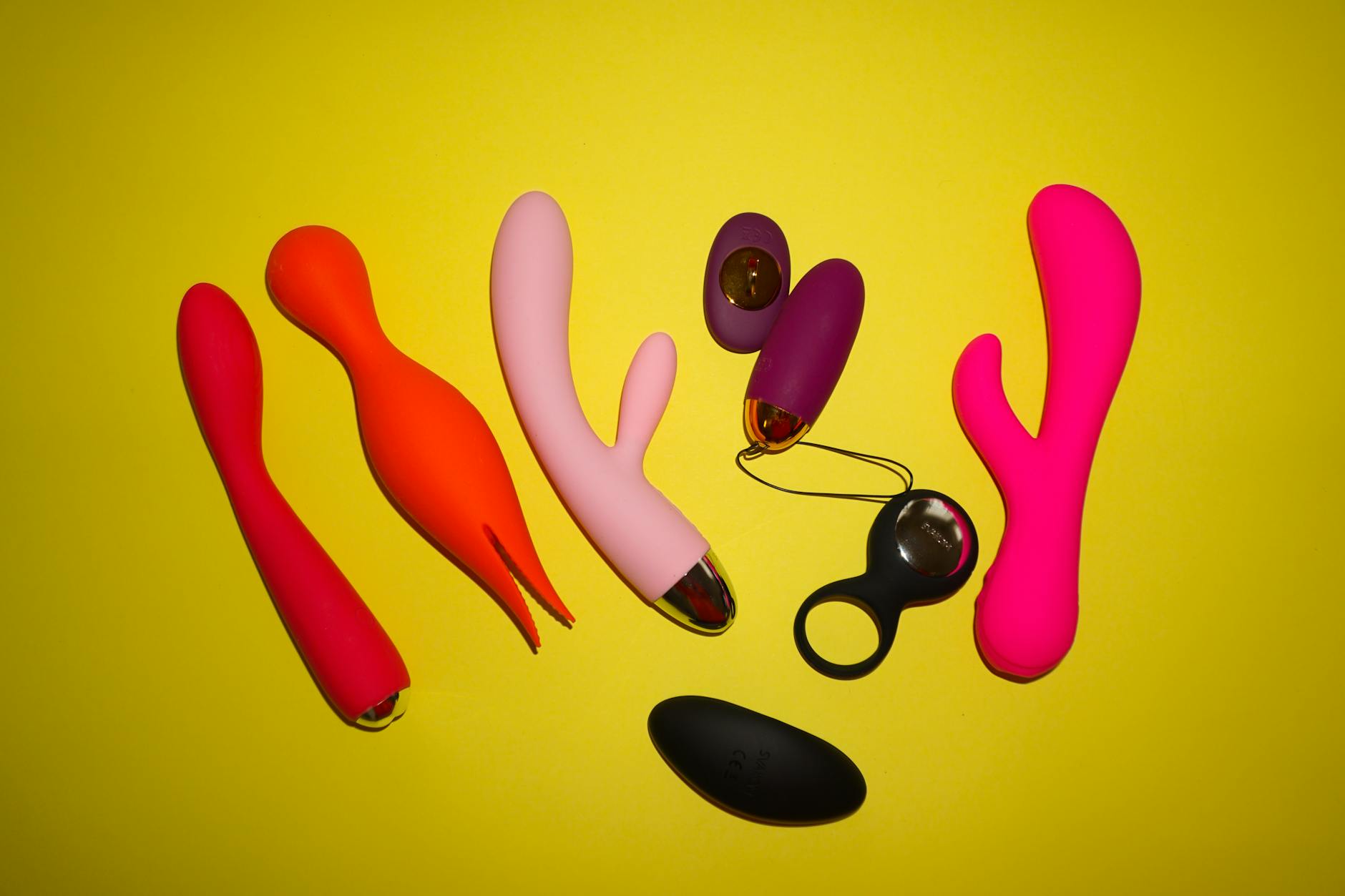
Let's name what's actually happening
You and your partner used to feel connected during sex. Somewhere along the way, that shifted. Maybe one of you is finishing while the other is still warming up. Maybe pleasure feels one-directional. Maybe you're both present but something is missing. The frustration is real because the issue isn't that sex isn't happening. It's that pleasure isn't being shared.
Here's what I see in my practice: most couples wait too long to name this problem, then they wait even longer to do anything about it. By the time they come to me, both people have built narratives about what it means. It means they're not compatible. It means one person doesn't care enough. It means the relationship is dying. None of that is usually true. What's true is simpler: one person's pleasure is being prioritized over the other's, and no one knows how to fix it without making it weird.
Lemon clitoral vibrators change that equation because they make pleasure a shared focus, not a solo project. You're not replacing your partner. You're giving both of you permission to pursue pleasure at the same time, without guilt or performance pressure.
Why disconnection happens more than you'd think
Couples often end up with mismatched pleasure timelines. One person orgasms in five minutes. The other needs twenty. One person's arousal ramps fast and steep. The other builds gradually. These aren't problems. They're just how bodies work. But culturally, we've been taught that sex should look like one arc. Both people start here, both reach this peak, both finish together. In reality, maybe fifteen percent of couples experience sex that way naturally. Everyone else is either faking it, compromising, or both.
The fallout is predictable. The faster partner feels like they're waiting. The slower partner feels rushed or, worse, like they're the problem. Sex starts to feel transactional instead of connective. And because nobody wants to have that conversation, the disconnection calcifies. You stop trying. You just go through the motions.
Lemon vibrators interrupt that pattern because they let you both have your own pleasure journey while still being connected. You're not waiting. You're not rushing. You're both engaged in your own sensation while touching, watching, or talking to your partner. That's radically different from how sex usually works.
How to actually bring this up
Okay, the conversation is the hard part. Here's how I recommend framing it.
First, choose a time that's not right before or right after sex. You need mental space, not hormonal urgency. Sit down when you're both calm and you have actual privacy.
Start with something like: "I've been thinking about our sex life and I want to talk about it because I care about it. I miss feeling connected during pleasure, and I think we could both have more fun if we tried something new."
That's it. You've named the disconnect without blame, you've signaled that both people matter, and you've framed the solution as exploratory rather than corrective.
If they get defensive, pause. Don't defend your point. Curiosity works better. "What came up for you when I said that?" Let them talk. Often the defensiveness is about fear (am I enough? does my body not work right?) rather than actual disagreement.
Then say: "I'm thinking about trying a lemon clitoral vibrator during sex. I want you to be part of that. It's not about you not being enough. It's about both of us having more sensation." Frame it as an addition, not a replacement. Because it's not.
The first time using one together
Don't make it a production. You're not performing a scene from a movie. You're just having sex with a new tool in the room.
Start by showing your partner the lemon vibrator outside of the bedroom. Neutral ground. Let them hold it, feel the weight, understand it. If they've never seen one, the mystery alone makes it feel bigger than it is. Demystify it early.
When you're actually having sex, one of three things usually works best. First option: you use it on yourself while your partner is inside you or touching you. This keeps focus on your pleasure without putting them in a performer role. Second option: your partner uses it on you while you're together. This can feel more connective if you're both comfortable with it. Third option: you both use toys on yourselves while together. This takes pressure off performance and lets you both chase your own sensation.
Start with lower settings. The goal isn't to finish fast. It's to feel different sensation, to stay engaged longer, to both reach pleasure at roughly the same time. You'll probably need longer than you think.
After, talk about what felt good. Not in a debriefing way. Just casually. "That felt really connected" or "I liked it when you..." Data like this helps you both understand what's working.
The emotional part nobody talks about
Using a lemon vibrator with a partner brings up stuff. Sometimes it brings up jealousy. Sometimes it brings up shame. Sometimes it brings up relief. All of that is normal.
If jealousy shows up, it usually means one person is worried they're becoming less necessary. You can address that by being explicit: "I want you here for this. I want to feel you while I use this." Separate the sensations from the connection.
If shame shows up, it often comes from the person introducing the toy, not the person receiving it. You might feel like you're asking for something you shouldn't need, or like you're being demanding. That's worth examining. Your pleasure is not a demand. It's a need. Your partner either meets it or they don't. A lemon clitoral vibrator is just a tool to make that meeting easier.
If what shows up is relief, lean into that. You just gave yourself and your partner permission to pursue mutual pleasure without guilt. That's the entire point.
When it actually rebuilds connection
The magic happens when both people realize they can have more pleasure and more time together. You're not rushing to one person's finish line. You're both arriving at your own peak while physically or emotionally present with your partner. That's intimacy. That's actual connection.
Over time, using lemon vibrators together (or even just having introduced them) usually leads to other shifts. Couples start talking more openly about pleasure. They become less performance-focused. They get curious instead of defensive. The sex gets better not because of the toy but because the dynamic shifted.
I've seen couples who were heading toward "we just don't have chemistry anymore" completely turn around once they introduced this kind of tool. Not because the toy fixes anything magical. Because the toy gave them permission to stop performing and start enjoying.
What if your partner resists
Sometimes they will. Some people feel threatened. Some people think sex "should" work a certain way. Some people have received shame around pleasure and toys represent that shame.
If your partner resists, you have a few paths. First, give them space. Don't push. Pressure makes everything worse. Second, ask what the resistance is actually about. Is it religious? Is it about masculinity? Is it about trust? Different roots need different conversations. Third, you can try how to use lemon vibrators when partner pressure feels high. That post is specifically about managing pressure in the other direction, but some of those tools work both ways.
If they're adamant that toys aren't for them, you have to decide what that means for you. Can you accept sex without toys? Or is mutual pleasure non-negotiable? That's a legitimate relationship question and it deserves an honest answer.
Practical tips that actually help
Use water-based lubricant. Everything feels better and your partner can be fully inside you or touching you while you use the toy without friction issues. Keep the lemon vibrator easily accessible. Don't make it this hidden thing. If it's on the nightstand, you're more likely to use it. Start with shorter vibration patterns. Many couples get intimidated by high intensity right away. Lower settings actually let you stay present longer. Talk during sex about what's working. "A little lower," "keep doing that," "I like when..." That's not breaking the mood. That's building it. Take breaks. Sensation fatigue is real. You don't have to have an orgasm every single time for it to be good sex.
The long game
Introducing a lemon clitoral vibrator into partnered sex isn't about one encounter. It's about changing the dynamic so that pleasure becomes something you both prioritize. Some couples use them every time. Some use them occasionally. Some use them for a few months and then stop and pick them back up later. There's no right way.
What matters is that you've broken the pattern of disconnected pleasure and created space for mutual sensation. That shift, once it happens, usually sticks around. Even if you never use the toy again, you've both learned that you can ask for what you need and your partner can hear it as love, not criticism.
That's how you rebuild connection. Not through performance. Through honesty and tools that make honesty easier.
People also ask
Can I use a lemon vibrator if my partner and I have different levels of desire?
Absolutely. Mismatched desire is one of the most common reasons couples use vibrators together. If one person wants sex three times a week and the other wants it once a month, a lemon vibrator can help you both feel satisfied without demanding that the less-interested partner override their own body. That shifts the dynamic from resentment to collaboration.
Will using a vibrator make my partner feel replaced or inadequate?
Only if you don't communicate about it first. If you introduce it as something you both get to enjoy, most partners feel included rather than threatened. The key is framing it as addition, not replacement. You're not leaving them out. You're bringing them in to your pleasure in a new way.
How do I know when we're ready to introduce a lemon vibrator?
You're ready when both people are willing to talk about pleasure openly and at least curious about exploring. You're not ready if one person is forcing the other. There's no rush. Some couples wait years. When both people genuinely want to try something new, that's the sign.
Should we use a vibrator during every sexual encounter?
No. Use it when you want it. Some couples integrate it into regular sex. Others use it once a month as something special. There's no prescription. The goal is flexibility and mutual pleasure, not a new routine you're locked into.
What if we try it and don't like it?
That's completely fine. You tried something, you learned something about what you both enjoy, and you move on. Not every tool works for every couple. The fact that you tried it together is what matters. You communicated. You explored. That builds intimacy even if the specific tool isn't your thing.
How do we keep the novelty alive if we use a lemon vibrator regularly?
Rotate settings. Experiment with timing and position. Try using it in different parts of your sexual encounter. Change the rhythm. Invite conversation about what feels good. The vibrator is just a starting point. Your creativity about how you use it is what keeps it fresh.