Let's talk about what dyspareunia actually is
Painful sex, or dyspareunia, happens for a lot of reasons. Sometimes it's physical: endometriosis, pelvic floor tension, scar tissue, infection, or hormonal changes that thin vaginal tissue. Sometimes it's a mix. And sometimes the pain becomes so predictable that your body braces for it before anything even happens, which tightens things up even more.
Here's the thing nobody tells you clearly enough: pain during penetration doesn't mean you've lost the ability to feel pleasure. It means you need a different approach to access it.
Why penetration isn't the only path to orgasm
About 75 percent of people with vulvas don't orgasm from penetration alone anyway. That's not a flaw in your body. That's anatomy. The clitoris is where the nerve density is. The magic happens with direct clitoral stimulation.
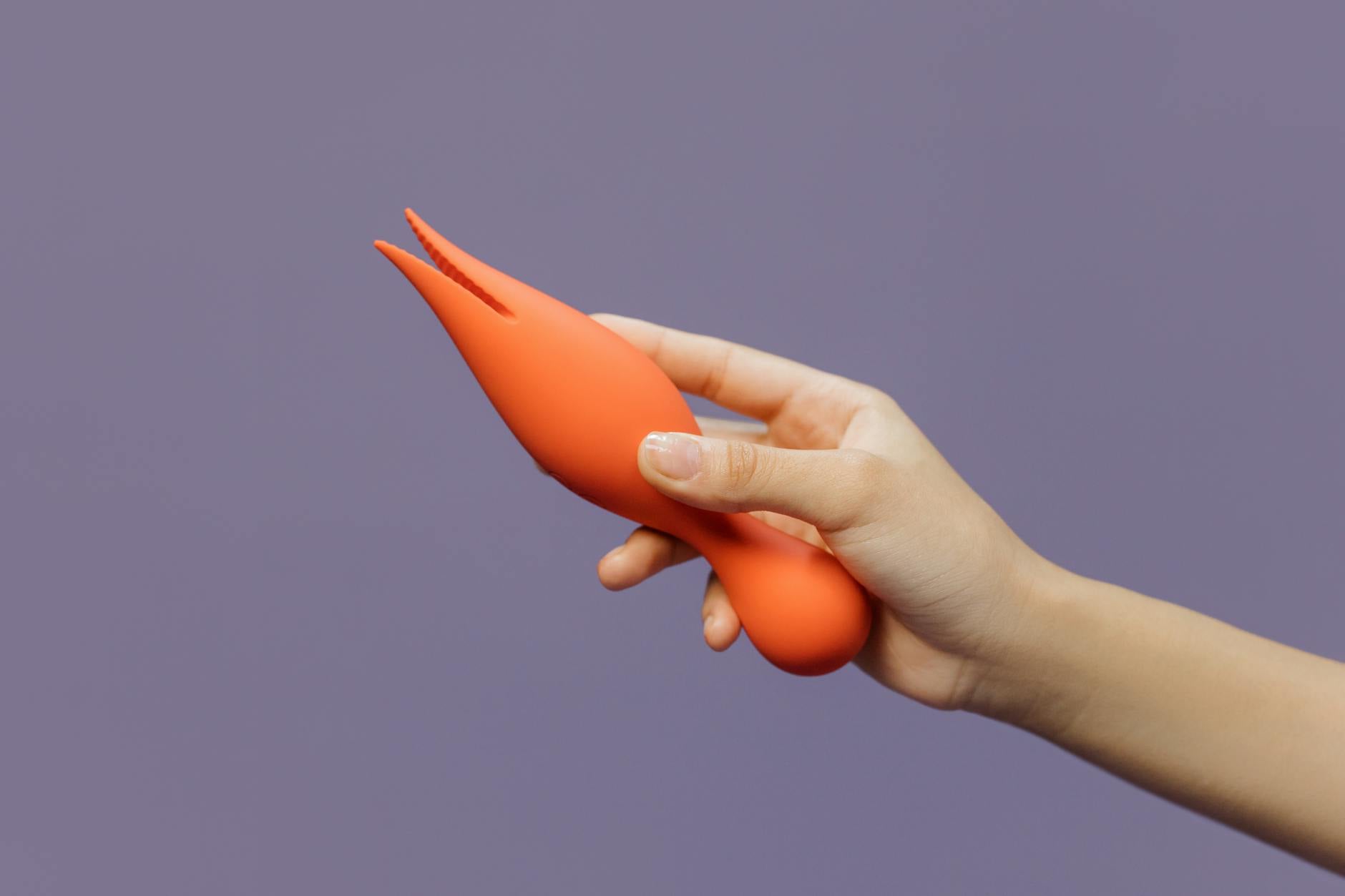
When penetration hurts, focusing on clitoral pleasure becomes not just an alternative, but actually the more reliable route to satisfaction. Lemon clitoral vibrators like The Lem work especially well here because they deliver targeted stimulation without pressure on the areas that might be tender or tight.
This isn't a consolation prize. For a lot of people with dyspareunia, it's the first time they've figured out what actually works.
The nervous system piece (it's bigger than you think)
When sex has been painful, your nervous system learns to expect pain. Your pelvic floor muscles tighten protectively. Your breathing gets shallow. You might find yourself tensing up before anything even happens, which makes actual pain more likely and more intense.
This is called fear-avoidance, and it's real neurology, not something you're doing wrong. Breaking the cycle means slowly teaching your body that sensation can be good again.
Using lemon vibrators on your own, with zero pressure to perform or penetrate anything, gives your nervous system a chance to reset. You're in control. There's no timeline. You can stop whenever you want. That safety is what lets tension actually release.
How to start if penetration has been painful
Three foundational rules:
First, go slow. Your first few sessions with a lemon clitoral vibrator should focus on external clitoral stimulation only. No pressure to go deeper, no timeline, no expectations. The Lem works beautifully for this because the suction design is gentle and doesn't require the direct friction that can feel intense on sensitive tissue.
Second, use lubrication. Even if you don't think you need it, use it. Water-based lube reduces friction and makes everything feel less painful. It also signals to your brain that you're taking care of yourself, which helps.
Third, build your own pleasure vocabulary before anything involving a partner. Spend time learning what feels good, what patterns work for you, what intensity level is comfortable. This isn't selfish. It's research. It's the opposite of pressure.
The practical setup that helps
Four things I recommend to almost everyone dealing with dyspareunia:
Start in a position where you feel safe. This might be lying down, propped up with pillows, or sitting. Your nervous system needs to know you're secure. If you've been tense during partnered sex, solo time is your chance to relax into a position that feels genuinely comfortable.
Use a lemon vibrator on a low setting first. Start at pattern 1 or 2 if you're using The Lem. The gentleness lets you focus on sensation without overwhelm. You can increase intensity gradually, or never. There's no rule.
Keep water-based lubricant within arm's reach. Reapply as often as you want. Lube isn't a sign that something's wrong. It's a tool that makes sensation feel better and easier.
Give yourself at least 15 to 20 minutes. Arousal takes longer when you've been bracing against pain. Your body needs time to warm up, relax, and actually respond.
What happens in your body when you relax into it
When you're not afraid and you're genuinely aroused, blood flow increases to the pelvic floor. Tissue expands naturally. The vaginal opening becomes more elastic. Lubrication increases. Your pelvic floor muscles actually relax instead of contract.
This is the opposite of what happens when you're braced for pain. The shift is neurological and physiological. It happens when you feel safe and when you're focused on pleasure instead of preventing hurt.
Using lemon vibrators on your own creates the conditions for this shift to happen. No pressure from a partner. No timeline. No reason to push through discomfort.
When to bring a partner back in
Some people with dyspareunia never want partnered sex again, and that's completely legitimate. Others want to eventually. If you do, there's a pathway.
Start by showing your partner what you've learned about your own pleasure. Not as a performance, but as information. "This pattern feels good." "This intensity works for me." "This is how long I need to warm up."
Then move slowly into partnered touch that mirrors what you've been doing solo. Your partner touching you externally with a lemon vibrator, for example, or applying lubricant and warming you up without pressure to progress further.
The goal isn't to "graduate" back to penetration. The goal is to rebuild trust in your body and in your partner. Sometimes that leads back to penetration. Sometimes it leads to a completely satisfying intimate life that doesn't involve it. Both are okay.
The emotional part matters as much as the physical part
Painful sex often comes with shame, frustration, and a sense that your body is broken. It's not. But those feelings are real and they're worth acknowledging.
When you use a lemon vibrator and actually experience pleasure without pain, something shifts emotionally too. You start to believe that your body can feel good. That sensation is possible for you. That you're not broken.
This matters more than I can say. Pleasure is a right, not a prize you've failed to earn. Your body deserves to feel good.
When to see a professional
If pain is severe, persistent, or getting worse, talk to a doctor. Dyspareunia can signal endometriosis, pelvic inflammatory disease, vulvodynia, or other treatable conditions. A pelvic floor physical therapist can also be invaluable. They teach you how to actually relax those protective muscles, which is often half the battle.
A sex therapist or trauma-informed therapist can help if pain has created psychological resistance around sex or intimacy. This isn't weakness. It's clearing the path so pleasure is actually possible.
Here's what I want you to know
Your nervous system learned to protect you from pain. That was smart. But you don't have to stay protected forever. Pleasure is available to you. It might look different than you expected. It might happen at a different pace. But it's there.
Lemon clitoral vibrators give you a way to explore that pleasure on your own terms, with no pressure and no timeline. That's not a temporary fix. That's a foundation for rebuilding your relationship with your own body.
Your pleasure matters. Full stop.
Frequently asked questions
Can I use a lemon vibrator if I have vaginismus or pelvic floor dysfunction?
Yes, but with care. Start with external clitoral stimulation only. Many people with vaginismus find that the suction pattern of lemon clitoral vibrators like The Lem feels less triggering than direct vibration because it doesn't require the same kind of sustained friction. If you're working with a pelvic floor physical therapist, check in with them first. They might suggest starting even gentler or building up to a vibrator over time. The key is zero pressure to do anything that causes pain.
What's the difference between dyspareunia and vulvodynia?
Dyspareunia is pain during or after penetrative sex. It can have many causes: hormonal, physical, psychological, or a combination. Vulvodynia is chronic pain in the vulva itself, even without penetration. Both can benefit from clitoral vibrators and solo pleasure work, but they're different conditions. If you're not sure which one you have, a gynecologist can help diagnose.
Should I use a vibrator if my pain is psychological rather than physical?
Absolutely. Psychological pain is real pain. Your nervous system is legitimately protecting you from something. A vibrator becomes a tool for retraining your nervous system to associate sensation with pleasure instead of threat. Combining this with a therapist who understands how fear shapes the body is powerful.
How do I know if I'm healed enough to try penetration again?
There's no finish line you cross. It's more like a gradual expansion of what feels possible. If you're orgasming regularly with external stimulation and you're curious about penetration, you can try very gradually. But there's no obligation. Some people with dyspareunia find that partnered sex without penetration is actually better. The goal isn't to return to what you were doing before. It's to figure out what works now.
Can I use lemon vibrators with my partner if penetration is painful?
Yes. In fact, that can be really beautiful. Your partner can use a lemon clitoral vibrator on you. You can use it together. This keeps intimacy and pleasure alive while you figure out the rest. It also keeps the focus on what actually works for your body instead of trying to force something that causes pain. Communication is everything here. Tell your partner what feels good and what doesn't. Make it collaborative.
What if vibrators feel too intense when my pelvic floor is tight?
Start with the lowest setting or even the gentlest patterns. The Lem's suction design is actually ideal for this because you can control how much pressure you want. You can place it gently and let the suction do the work instead of pressing it firmly. You can also use it over your underwear or a thin layer of fabric to reduce intensity. The goal is pleasure without overwhelm. That might mean building up to higher intensities slowly, or staying with gentle stimulation. Both are fine.