Diabetes is a circulation and nerve problem. That means it's a sexual problem. Not because of shame or body image, but because your clitoris relies entirely on blood flow and nerve sensation to respond. High blood sugar damages both.
Most people don't connect their diabetes diagnosis to changes in arousal or pleasure. Doctors rarely bring it up. So you're left thinking something is wrong with you, when really it's your blood glucose doing the stealing.
Here's the physiological reality. Persistently high blood sugar causes two things to happen simultaneously.
First, it thickens blood vessel walls. This reduces blood flow to the genitals, which means less engorgement, slower arousal, and less sensitivity. Your clitoris literally gets less oxygen and nutrients.
Second, it damages small nerve fibers through a process called glycation. These nerves are responsible for the sharp, pleasurable sensations you feel during arousal. When they're damaged, sensation becomes dull, distant, or absent entirely. Some people describe it as touching their clitoris through a thick blanket.
This is called diabetic neuropathy when it's widespread. But you don't need a formal diagnosis to feel it. Many people with well-managed diabetes still notice a flattening of sensation compared to before their diagnosis.
A standard vibrator relies on direct mechanical friction and vibration intensity to create sensation. When your nerve endings are already compromised, cranking up a regular vibrator just feels aggressive or numb. You chase intensity that never arrives.
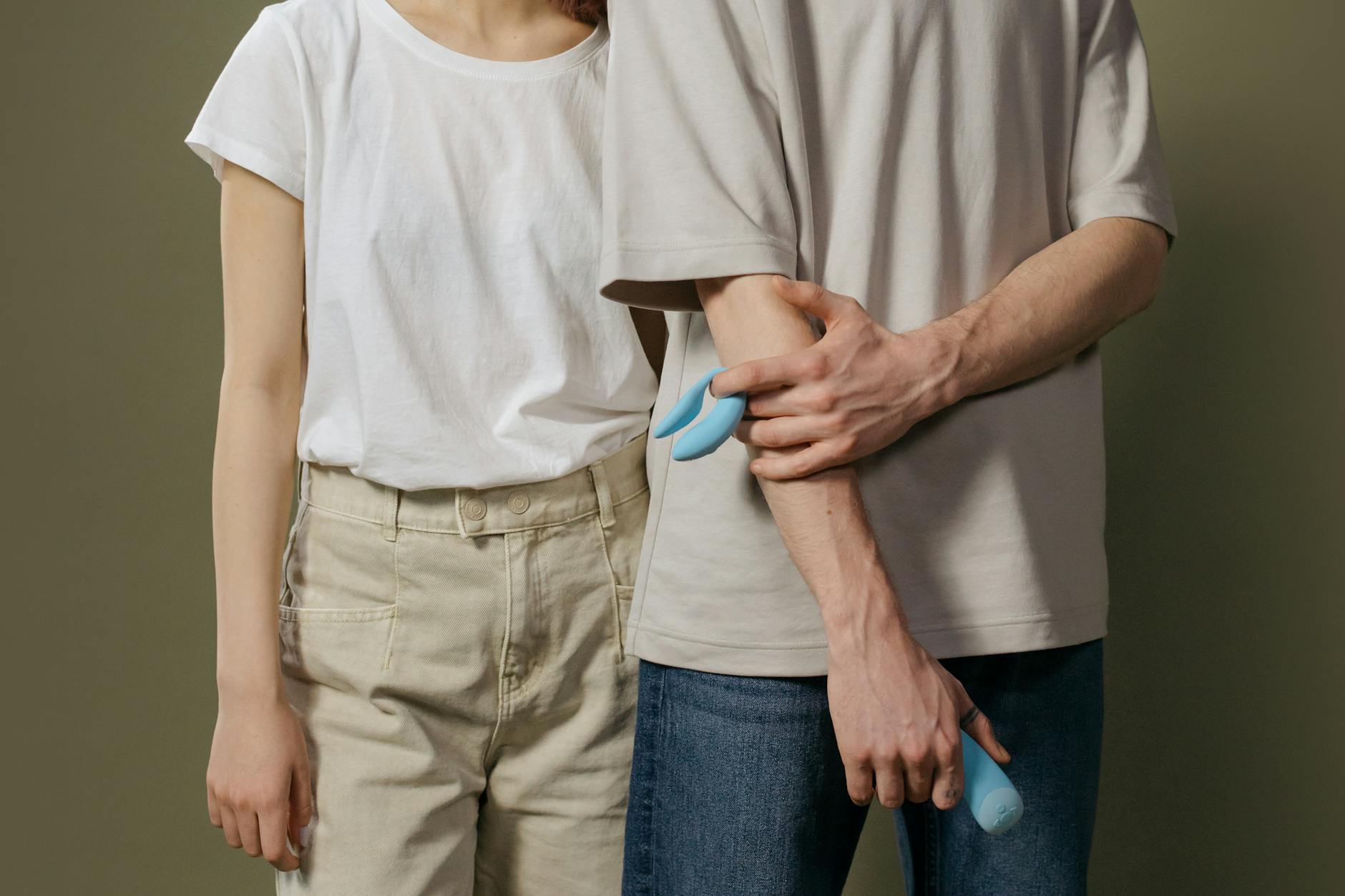
This is where air-suction technology changes everything. Lemon clitoral vibrators like the Lem use a different mechanism entirely. Instead of vibrating against tissue, they create gentle pulsing suction that stimulates a broader surface area and draws blood to the clitoris. For people with reduced sensation from diabetes, this approach works better because it:
Doesn't rely on sharp nerve sensation
Gradually increases blood flow, which helps restore circulation over time
Stimulates deeper nerve clusters that vibration often misses
Feels less jarring when nerves are already compromised
Many of my clients with diabetes report that lemon vibrators were the first toys in years that produced actual pleasure, not just the hunt for it.
Before you use any new tool, spend a week or two noticing what you can actually feel right now. No judgment, no pressure to feel something.
Where do you feel the most sensation in your vulva? Is it at the tip of your clitoris, the base, the hood, or the sides? Does sensation change throughout your cycle, or is it consistently muted? Does it vary by time of day, blood sugar level, or stress?
This baseline matters because it tells you where to start with a lemon vibrator. If the tip feels completely numb but the base has some sensation, you'll begin with suction focused on the base. You're not trying to wake up dead nerve endings. You're working with what's still responsive.
Start at the lowest intensity setting. With the Lem, that's setting one or two. The instinct when you can't feel much is to jump straight to the strongest setting. That backfires because high intensity on compromised nerves often just feels uncomfortable, not pleasurable.
Apply the suction to your clitoris for short intervals. Thirty seconds on, thirty seconds off. Your goal in week one is not orgasm. It's data. You're learning what sensation is available and where.
After about a week of these short sessions, you'll probably notice something shifting. Blood flow increases. The tissue becomes more responsive. You might feel the sensation gradually sharpening rather than flattening.
Then slowly increase duration. Move from thirty seconds to forty-five. Still using a lower setting. The goal is to build arousal gradually rather than chase it aggressively.
Only after two to three weeks should you consider moving to a higher intensity setting. And even then, keep sessions moderate. Twenty to thirty minutes maximum. Longer sessions can create temporary numbness from over-stimulation, which defeats the purpose.
Here's the truth that matters more than any toy: your sensation will only improve if your blood sugar is improving. A lemon vibrator can't restore damaged nerves. But consistent good glucose management can prevent further damage and sometimes allow partial nerve recovery.
If you're using a vibrator but your A1C is still high, you're working against yourself. The restoration work happens mostly in your blood glucose numbers, not in the bedroom. Talk to your doctor about what your targets should be and whether your current medication plan is getting you there.
I've seen clients whose sensation improved dramatically six months after getting their A1C down. The vibrator didn't heal them. Better glucose control did. The vibrator just helped them feel sensation that was gradually returning.
If you have a partner, this is important: reduced sensation from diabetes is not reduced desire. You might want intimacy and connection but not feel the physical sensations that usually signal arousal to you or your partner.
The conversation is not "I'm broken." It's "My body responds differently now, and here's what helps." A lemon vibrator can actually make this easier because it gives you both something concrete to use together. Your partner sees you responding to the suction, feels the vibration, and understands it's a tool, not a replacement.
Many partners actually feel more included with a vibrator than without, because they can hold it, control the intensity, and see the results in real time.
If you have significant reduced sensation that doesn't improve after three months of better glucose management, tell your doctor. Diabetic neuropathy sometimes responds to medications like pregabalin or duloxetine. Topical creams that increase blood flow are also worth asking about.
You deserve a sexual health conversation with your diabetes care team, not a conversation that assumes sex is no longer relevant. If your provider acts uncomfortable, that's their limitation, not yours.
You're not trying to get back to the sensation you had before diabetes. That's unrealistic and sets you up for disappointment. You're trying to map and work with the sensation you have now and gradually restore what's possible.
Most people find that over six months to a year of consistent good glucose management plus regular use of a lemon vibrator, pleasure becomes real again. Different maybe, but real. Sometimes deeper because you had to be intentional about rebuilding it.
No. But improved blood glucose control can sometimes allow partial nerve recovery, and a lemon vibrator helps you feel sensation as it returns. The suction mechanism also draws blood to the area consistently, which supports the gradual healing process. A lemon clitoral vibrator is a tool for experiencing pleasure while your body recovers, not a cure.
Most people notice subtle shifts in sensation within two to three weeks of consistent short sessions at low intensity. Measurable improvement in arousal and pleasure usually takes six to twelve weeks. This assumes your blood glucose is also being managed well. Without good glucose control, the vibrator alone won't create lasting change.
Don't make medication changes without talking to your doctor. Some medications affect sexual function, and your doctor can help you weigh the tradeoffs. There may be alternatives that work better for both your glucose control and your sexual health. Ask specifically about sexual side effects instead of assuming they're not part of the conversation.
Not always. Nerve damage from diabetes isn't always permanent if glucose control improves. Some people see sensation return or improve years later once their A1C is consistently in range. Others find sensation stabilizes at a new baseline but doesn't fully recover. The key variable is how well your glucose is managed from now forward.
Yes, but start very gently. If you have pain, tingling, or burning sensations in addition to numbness, begin with the absolute lowest setting and shortest duration. Some people find the gentle suction actually reduces neuropathic pain by increasing blood flow. If it makes pain worse, stop and talk to your doctor.
If you're on antidepressants or other medications that reduce sensation alongside your diabetes, the numbness can feel amplified. A lemon vibrator is still worth trying because the suction mechanism works differently than vibration does. You might need even more patience with intensity levels. Consider talking to your prescriber about whether any adjustments are possible while maintaining your mental health.
Your pleasure matters. Not as a side benefit of good health. As its own thing. Diabetes tried to take that from you. Using tools like a lemon vibrator, combined with genuinely managing your glucose, is how you take it back. It's slow. It's intentional. But it works.
If you want to talk through your specific situation, whether that's medication side effects, relationship dynamics, or just figuring out where to start, reach out. We're here to help you build a plan that actually fits your life. Visit /contact to get in touch with one of our advisors.