Here's what actually happens when foreplay gets skipped
Let's be real. Your partner leans in, you're still warming up, and suddenly they're moving toward sex before you've had time to get there. Maybe they don't realize it's happening. Maybe they think you're ready. Maybe they're just moving at their own pace and it didn't occur to them that you needed more time. Whatever the reason, you're left caught between your own arousal and their momentum.
The problem with this dynamic isn't just physical. It's relational. When foreplay gets rushed or bypassed, you're absorbing a quiet message: your pleasure timeline doesn't match theirs, so yours gets adjusted. Over time, that adjustment costs something.
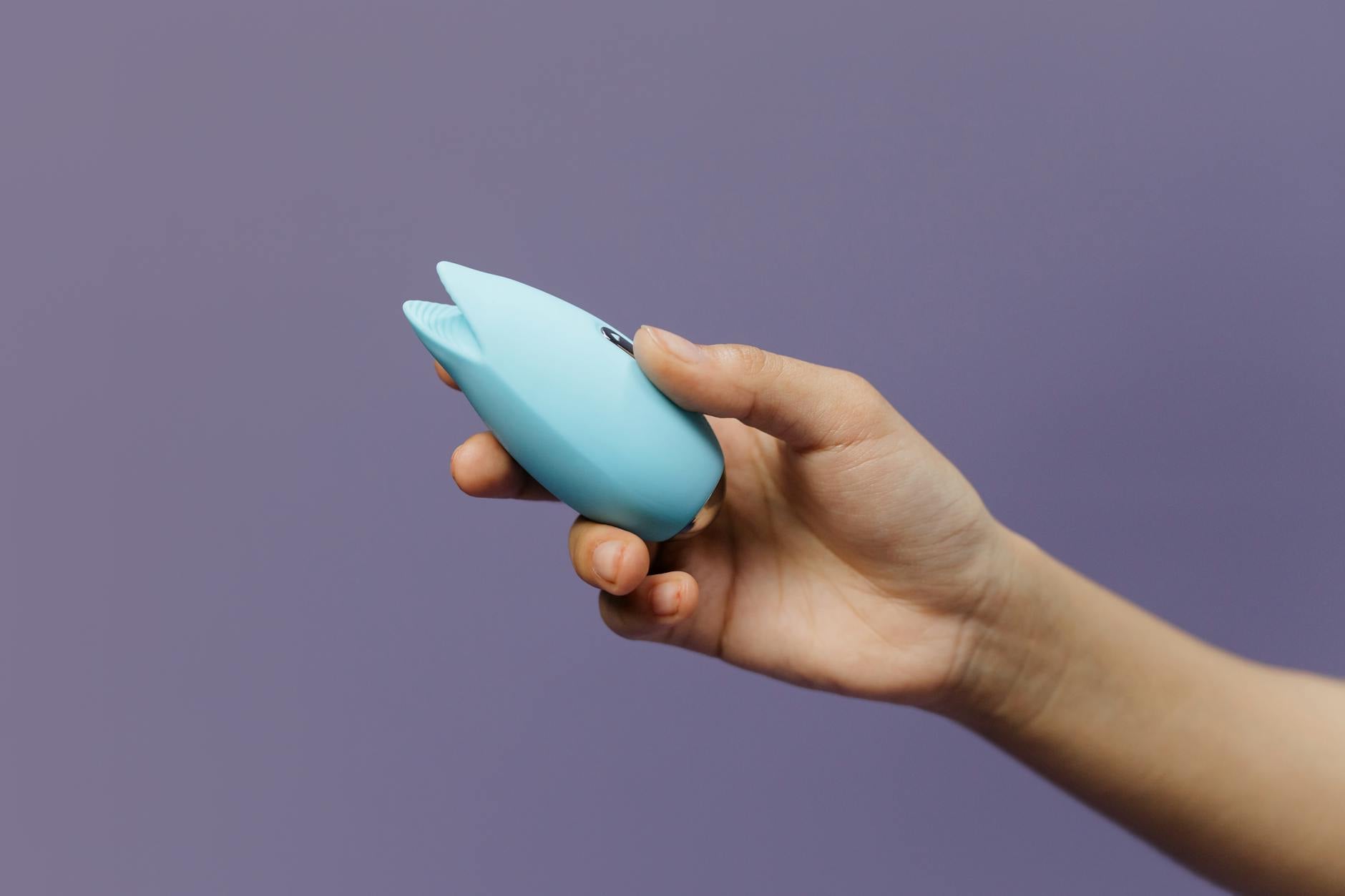
A lemon clitoral vibrator changes this equation entirely. It's not about replacing your partner or opting out of sex. It's about ensuring your body gets what it needs to actually enjoy what comes next.
Why the foreplay gap actually exists
Most people with penises reach full arousal in 2-5 minutes. Most people with vulvas need 10-20 minutes of direct clitoral stimulation to reach the same point. That's not a negotiation or a personal preference. That's neurology. And if your partner doesn't know this or hasn't internalized it, the mismatch feels personal when it's actually just physics.
Add in life stress, routine, or the simple fact that your partner was never taught that foreplay is foreplay (not just a warm-up they can skip), and you get the pattern you're experiencing.
Here's the thing: introducing a lemon vibrator into this dynamic does two things at once. First, it solves the immediate problem. Your body gets the stimulation it needs. Second, it creates space to have the harder conversation about what you actually want.
How to introduce it without making it weird
Timing matters. Don't bring this up mid-sex or when you're frustrated. Bring it up when you're both calm and clothed, ideally when you're already talking about sex or intimacy. Something like: "I've been thinking about trying something that might make this better for both of us."
Then be specific about what you mean. "I want to use a lemon vibrator during foreplay. It'll help me get to where I need to be, so we can both enjoy sex more. I'm not trying to replace anything about you. I just want my body to have what it needs."
If your partner's first reaction is defensive or dismissive, that's information. Couples often use resistance to a vibrator as a proxy for resistance to the real conversation. "Why do you need that?" often means "Am I not enough?" Address the actual question underneath, not the surface objection. You might say: "This isn't about you not being enough. This is about my body needing something specific. Using this means we can have sex that feels better for me. That should be something you want."
Most partners, when they understand that a vibrator is a tool for their partner's pleasure (not a replacement for them), get on board quickly.
The setup that actually works
Start using your lemon vibrator during foreplay before your partner joins in. Set the scene however feels good to you. Some people like to use it solo for 5-10 minutes while their partner watches or touches them elsewhere. Some people want their partner touching them while they use the vibrator. Some people want to build to a point where they're almost there, then their partner joins in.
There's no single right way. What matters is that you're directing the timeline, not accommodating theirs.
Here's the practical rhythm that tends to work best: you or your partner brings the lemon vibrator into the mix about 5-10 minutes into foreplay. Start with a lower intensity setting (patterns 1-3 on most clitoral vibrators). Focus on the outer part of the clitoris first. Most people find this feels less intense than going straight to the tip. You can work up to higher intensities as arousal builds.
If your partner is touching you elsewhere (your breasts, your inner thighs, your neck), that combination of sensations often accelerates arousal significantly. The vibrator handles the clitoral work. Your partner handles the rest. You're working together instead of against each other's timelines.
What you're actually communicating
When you bring a toy into sex, you're not saying "You're not enough." You're saying "Here's what my body needs, and I'm prioritizing that." That's the opposite of passive. That's you taking ownership of your own pleasure and inviting your partner into that instead of waiting for them to somehow read your mind.
Many couples find that introducing a vibrator actually creates more intimacy, not less. Why? Because one partner stops absorbing frustration silently and starts communicating clearly. Sex feels better for both people. Connection deepens because you're not resenting each other's different timelines anymore.
You might also discover that your partner was skipping foreplay out of anxiety. Some people rush sex because they're worried about performance or losing their erection. When a vibrator takes the pressure off and creates a different rhythm, that anxiety often evaporates. Suddenly sex is longer, more relaxed, and better for both of you.
The conversation after the first time
If you use a lemon vibrator during sex and it goes well, check in the next day. "That felt really good. I want to keep doing that." Keep it simple. You're not asking permission. You're stating a preference.
If your partner seemed uncomfortable, that's a separate conversation. Ask what came up for them. Listen without defending. "I noticed you seemed hesitant. What was that about?" Often people need time to adjust to the idea. That's fine. Give them that time. But also be clear: you're going to keep using a vibrator because it helps you feel good. Their comfort with that is important, but it's not a dealbreaker.
When this is about something bigger
Sometimes a partner's lack of interest in foreplay is symptomatic of something larger. Relationship distance. Unresolved conflict. Different desire levels or relationship priorities. A vibrator won't fix any of that. What it will do is buy you space to have the real conversation.
If you use a lemon vibrator a few times and your partner remains uninterested or resentful, the issue isn't the toy. How to Rebuild Physical Intimacy After Major Life Changes Without Pressure covers the deeper relational work that sometimes needs to happen first.
If your partner actively objects to the vibrator or makes you feel bad for using it, that's worth examining more carefully. A partner who prioritizes their ego over your pleasure is revealing something about where they actually stand on your wellbeing.
Practical tips for the first few times
Keep the vibrator clean and charged before you use it. You don't want to interrupt the moment to hunt for a charging cable. Use water-based lubricant with your toy, even if you don't normally use lube. It feels better and makes the vibrator glide more smoothly.
Start at lower intensity. You can always turn it up. You can't take it back down once it's too much. Let your arousal build gradually. Slower is almost always better than jumping straight to maximum intensity.
Communicate with your partner as you go. "That feels good." "A little lighter." "Keep doing that." Your partner isn't a mind reader. Most people actually want feedback. It makes them feel less anxious and more connected.
Take pressure off the goal of orgasm. The first time you use a vibrator with a partner, the goal is just to feel what it feels like. Sometimes it takes a few tries to find the rhythm that works for you with them present. That's normal.
What changes when you stop accommodating their timeline
Once you've established that you're going to use a lemon vibrator during foreplay, something often shifts. Your partner stops rushing because they know you're going to get what you need regardless. You stop resenting them because your body is getting stimulation instead of waiting. Sex becomes longer, more connected, and paradoxically easier because there's no underlying frustration anymore.
This isn't about the vibrator solving your relationship. It's about the vibrator being the catalyst for you taking your pleasure seriously. And once you do that, your partner often follows.
People also ask
Will using a vibrator make my partner feel inadequate?
Sometimes, initially. But usually because they're interpreting the vibrator as a criticism instead of a tool. The best way to prevent this is to frame it proactively. Before you use it, tell your partner what you're doing and why. "I want to use this because my body needs longer buildup than you typically give me. This helps me actually enjoy sex. I want that." Most partners, when they understand that a vibrator is about enhancing their partner's pleasure, not replacing them, adjust quickly.
Can I use a lemon vibrator if my partner is inside me?
Yes, if you both want to. Many people use a clitoral vibrator during penetration. It can actually intensify sensation for both partners. Start with gentler vibration to make sure it feels good. The positioning might take some figuring out, so be patient with it. Some positions work better than others for clitoral vibrator use during sex.
What if my partner still seems uninterested even after I explain it?
That's worth examining. Is their hesitation about the vibrator itself, or is it about your pleasure in general? How to Use Lemon Vibrators When Partner Pressure Feels High addresses what to do when a partner's discomfort with toys is really about control or other relational dynamics.
How do I bring this up without it feeling like criticism?
The key is separating the observation from the solution. Don't say, "You rush foreplay." Say, "I want to try something new that might make sex feel better for me." Then introduce the tool without framing your partner as the problem. They are not the problem. Your different timelines are not anyone's fault. A vibrator is just a way to address it.
Does using a vibrator mean I won't enjoy my partner's touch as much?
No. Actually, many people find the opposite is true. When you're not frustrated or under-stimulated, you enjoy everything more. A vibrator doesn't replace your partner's touch. It works alongside it. You can use it while they touch you everywhere else. The combination is often more intense than either alone.
What if I've never used a vibrator before?
Start solo. Spend time learning what feels good to you, what intensity you prefer, and how your body responds. Once you know what you like, bringing that knowledge into partnered sex is easier. How to Start Using Clitoral Vibrators if You've Never Owned One Before walks through the basics.
The bottom line
A lemon clitoral vibrator isn't a workaround for a bad relationship. It's a tool for making sure your body gets what it needs, even when your partner's timeline doesn't naturally match yours. Using one is an act of self-respect. It says your pleasure matters enough to prioritize, and most partners, once they understand that, become allies instead of obstacles.
The vibrator is just the beginning. The real shift happens when you stop accommodating and start communicating. That's when things change.
If you're navigating deeper relational patterns around intimacy and desire, reach out. We can work through what's actually going on beneath the surface.