Here's the thing nobody tells you about coming off the pill
Your body's chemistry doesn't just return to "before." It rebuilds itself. Hormonal birth control flattens dopamine spikes, lowers testosterone, and literally changes the thickness of tissue in your vulva. When you stop taking it, these systems don't snap back immediately. They rewire over weeks, sometimes months. And during that transition, everything feels different. Including how you respond to pleasure.
I've worked with dozens of people navigating this exact shift. The pattern is consistent: vibrators that worked fine on the pill suddenly feel either too intense or weirdly muted. Some describe it as their body finally "waking up." Others feel temporarily disconnected from sensation they'd relied on for years. Both experiences are completely normal, and both usually resolve once you understand what's actually happening.
What hormonal birth control does to sensation
Let's start with the physical baseline. Hormonal contraceptives suppress ovulation by maintaining steady estrogen and progestin levels. This artificial stability changes several things in your body:
Tissue thickness and blood flow. Estrogen supports vaginal and vulvar tissue integrity. On the pill, you're getting synthetic estrogen, which maintains tissue but differently than your natural cycle would. Genital tissue stays somewhat thinner and less engorged than it would during a natural cycle. This changes how sensitive you feel to touch.
Dopamine and arousal circuits. Birth control blunts the dopamine peaks that normally accompany ovulation. Dopamine is what makes pleasure feel rewarding, what makes you crave sensation, what drives that building excitement. On the pill, the peaks are lower. Your nervous system adapts to this flatter baseline. Touch that would normally feel exhilarating can feel underwhelming.
Testosterone availability. Yes, people with vulvas produce testosterone. It matters for desire, for genital sensation, for the intensity of orgasms. Hormonal birth control suppresses it by about 30-40%. That's not insignificant. When you stop the pill, testosterone gradually rises back to your baseline. This changes how responsive your nerve endings feel.
Pelvic floor tension patterns. Many people develop slightly different pelvic floor holding patterns while on hormonal contraception. It's subtle, subconscious, but after years it becomes your new normal. Coming off the pill means your pelvic floor is relearning its baseline tension and release patterns.
The post-pill sensation timeline
Understand this: the change isn't instant, and it's not linear. Here's what typically happens:
Week 1-2. You might feel slightly more sensitive, or weirdly disconnected. This is usually just hormonal noise as your body registers the absence of synthetic hormones. Don't draw big conclusions yet.
Week 3-6. This is where things get interesting. Dopamine starts stabilizing at its natural peaks and troughs again. You'll probably notice arousal building faster, or feeling more intense when it does show up. Some people describe this as their clitoris "coming back to life."
Week 7-12. Testosterone levels normalize. Genital tissue starts thickening slightly as natural estrogen fluctuations resume their rhythm. Your pelvic floor recalibrates. This is typically when sensation settles into its new pattern.
Month 4 onward. Your body's back to its pre-pill baseline, but you've been off contraception long enough that it feels like a new normal. Most people describe this phase as either liberating or occasionally disorienting, depending on how long they were on the pill.
Why lemon clitoral vibrators become essential during the transition
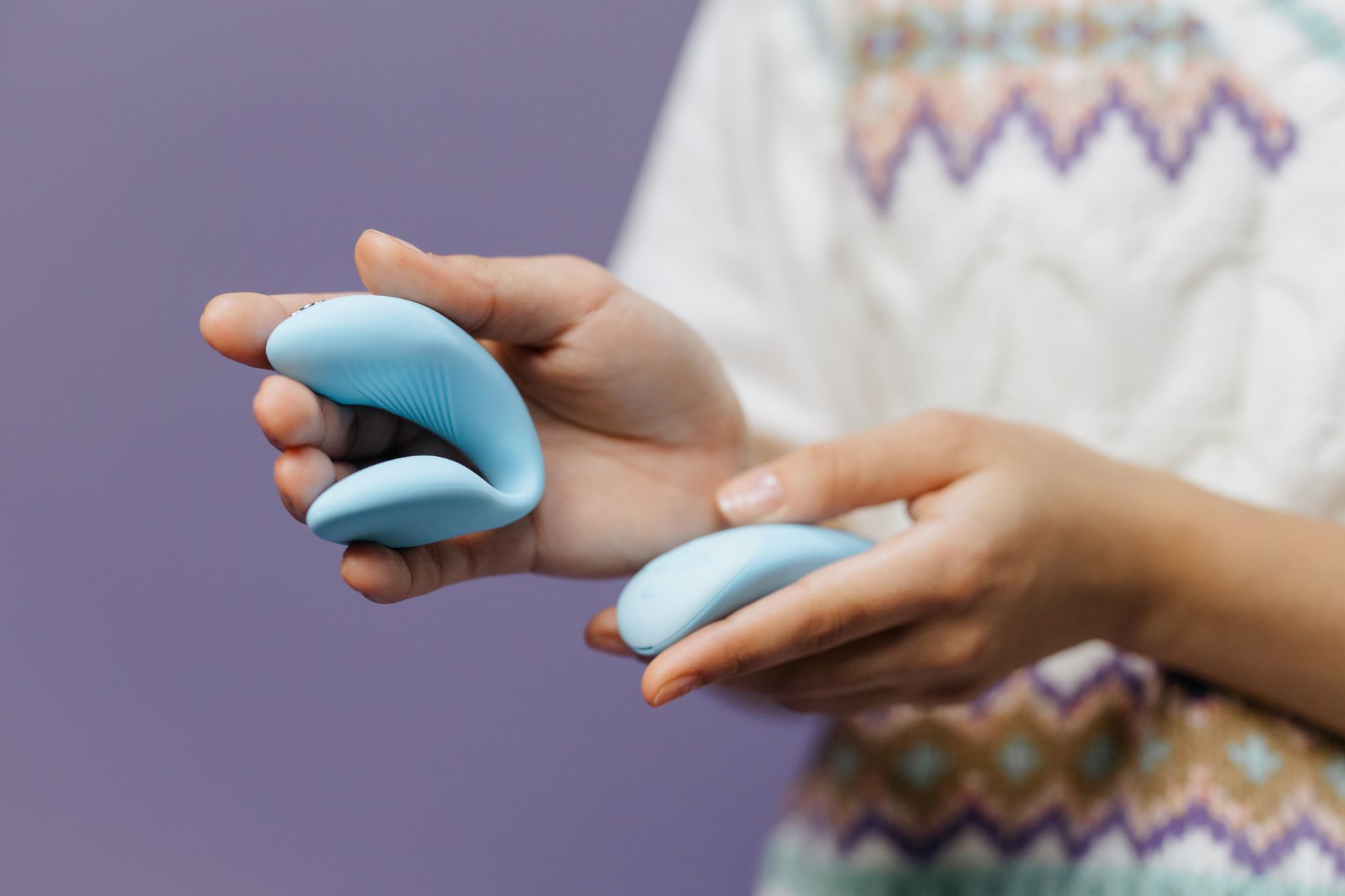
Here's where a quality clitoral vibrator like one from The Lemon Toys becomes genuinely helpful. Air-suction devices work in a fundamentally different way than traditional vibration. They don't rely on direct friction. They create a gentle seal and rhythmic pressure that stimulates without overwhelming newly resensitized tissue.
Why this matters: during the post-pill transition, your nervous system is recalibrating. A lot of stimulation that felt fine on the pill suddenly feels either too much or not enough. Air-suction technology lets you dial in exactly the amount of pressure you need. The lem vibrator, for example, has multiple intensity levels precisely for this reason. You're not stuck with one frequency or vibration pattern.
Additionally, the sustained suction in lemon sexual toys creates a different kind of stimulation than buzziness alone. It engages deeper nerve bundles in the clitoris, which responds differently when your dopamine levels are normalizing. Many people report that air-suction devices feel more satisfying during hormonal transitions than traditional vibrators, even if they loved those vibrators on the pill.
The physical adjustments that actually help
Beyond the device itself, here's what makes the transition smoother:
Slow your warm-up. You might feel ready faster than before, which feels amazing. But your tissue is still recalibrating. Give yourself 10-15 minutes of non-genital touch before moving to direct clitoral stimulation. This lets your nervous system prepare properly.
Use lube even if you don't think you need it. Post-pill lubrication patterns can feel inconsistent during the first few months. Water-based lubricant removes that variable. It also creates a gentler glide for any toy, which matters when your tissue sensitivity is in flux.
Start at lower intensity than you used on the pill. I know you think you remember how to use a vibrator. But your body's baseline has changed. Begin at setting 1 or 2, even if that seems embarrassingly low. You can build from there. You'll probably find that you need less intensity than you expected, and that feels like a gift.
Pay attention to your cycle. Coming off the pill means reintroducing a natural cycle. Sensation, arousal, and what feels good will shift across the month. Week 2 of your cycle (around ovulation) might feel wildly different from week 4. This is information, not a problem.
The emotional piece that affects sensation more than you'd think
Here's something I notice clinically that rarely gets mentioned: coming off hormonal birth control often coincides with bigger life shifts. You're maybe renegotiating fertility timelines. You're possibly adjusting how you think about your body. You might be processing years of suppressed sensation. All of that lives in your nervous system, not just in your hormones.
If you're experiencing disconnect during the post-pill transition, part of it might be physical. Part of it might be that your brain is finally processing what it felt like to have muted dopamine for years. Both are real. Both are worth paying attention to.
The practice that helps most: deliberate solo exploration. Not performance, not trying to reach a specific outcome. Just curiosity about what feels good right now, in this body, at this point in the transition. A quality clitoral vibrator from The Lemon Toys becomes a conversation with your own nervous system, not a tool toward a predetermined goal.
When to seek support
If numbness persists beyond four months post-pill, or if arousal disappears entirely, check in with a gynecologist. Sometimes coming off hormonal contraception unmasks other things happening in your body. thyroid changes, nutritional deficiencies, or unaddressed relationship dynamics can feel like they're about sensation but are actually about something else.
If pleasure goes from muted to actually painful, that's worth investigating too. The good news: both of these situations are usually fixable with the right support.
FAQ: Post-pill sensation and lemon clitoral vibrators
How long does it actually take for sensation to normalize after stopping birth control?
Most people notice significant changes within 6-12 weeks, with the biggest shifts happening around weeks 3-8. Full normalization, where your body feels like it's genuinely settled into a new baseline, typically takes 3-4 months. That said, some people feel dramatically different within 2-3 weeks, while others take 6 months. Your individual timeline depends on how long you were on the pill, the type of contraception, and your baseline neurology. Don't rush it.
Is it normal for clitoral vibrators to feel uncomfortable immediately after quitting the pill?
Completely normal. During the first week or two, your body is adjusting to the absence of synthetic hormones. This can make any sensation feel slightly off. What matters is whether that discomfort persists beyond week 3. If it does, you might need to lower intensity, switch vibrator styles, or add more warm-up time. If it continues beyond month 2, that's worth mentioning to your doctor.
Why do air-suction vibrators like lemon toys work better during the post-pill transition than regular vibrators?
Air-suction technology doesn't rely on friction or penetration. It works through rhythmic pressure and suction, which engages a different set of nerve pathways than traditional vibration. During hormonal transition, when your nerve sensitivity is recalibrating, this gentler approach often feels more intuitive and satisfying. You also get more control over intensity, which matters when you're not sure what your body needs yet.
Can coming off the pill make my orgasms more intense?
Yes, absolutely. Many people report that orgasms feel more full-bodied, more intense, and more psychologically satisfying within 2-3 months of stopping hormonal contraception. This is because dopamine is spiking again at its natural peaks, and your pelvic floor is recalibrating to its natural tension patterns. But this also means that sensation can feel overwhelming for some people initially. Building back into pleasure gradually helps you enjoy the intensity without feeling shocked by it.
I've been off the pill for three weeks and I don't feel anything different. Should I be worried?
Nope. Three weeks is still very early. Your body is still metabolizing the hormones you've been taking for months or years. The real shifts usually start around week 4-5. Some people genuinely don't notice major changes until month 2 or 3. If by month 4 you still feel exactly the same, check in with your doctor, but three weeks is still very much the early phase.
What if I want to go back on birth control after discovering I like feeling more sensation off it?
That's a real decision some people face. Here's what matters: the sensation you're experiencing off the pill is actually available to you whether or not you use contraception. If you need hormonal contraception for other reasons, you can find a formulation that works for you. Some types of hormonal birth control suppress sensation less than others. Have that conversation with your gynecologist. You don't have to choose between safety and sensation.
The reframe
Coming off hormonal birth control isn't a return to normal. It's a new normal. Your body isn't broken if sensation feels different. It's not broken if it takes a few months to feel grounded. You're not weird if lemon clitoral vibrators suddenly feel more appealing than they did before.
You're just rebuilding a relationship with your own nervous system. And honestly? That's the most important relationship you'll have with pleasure.